
The red clay dust swirling through North Texas summers is more than just an annoyance. It is a silent efficiency killer for your air conditioning system. While Dallas homeowners focus on keeping their homes cool during 100°F+ heatwaves microscopic particles from the Blackland Prairie soil are coating AC coils and forcing your system to work overtime. Dallas Water Utilities regulations.
North Texas humidity combined with this fine clay dust creates a perfect storm for HVAC inefficiency. The dust acts like insulation on your coils preventing proper heat transfer. When evaporator coils inside your home or condenser coils outside get dirty they cannot effectively move heat meaning your AC runs longer cycles and your electricity bills climb higher.
Evaporator vs. Condenser Coils: Know the Difference
Understanding which coils are affected helps diagnose problems faster. Evaporator coils sit inside your air handler and absorb heat from indoor air. Condenser coils sit in the outdoor unit and release that heat to the outside. Indoor Air Quality Solutions.
Evaporator coil symptoms often include warm air from vents ice formation on refrigerant lines and biological growth causing musty odors. Condenser coil symptoms typically show as the system running constantly poor cooling performance and the outdoor unit feeling warmer than normal to the touch.
Both coil types suffer in Dallas due to our unique environmental conditions. The high pollen counts in spring coat coils with organic material. Summer dust storms deposit fine particles. Even the limestone content in our water can leave mineral deposits on coils over time. HVAC Dallas.
Top Symptoms of Dirty AC Coils
Recognizing these signs early can prevent costly repairs. Here are the most common symptoms homeowners notice when coils get dirty. EPA indoor air quality resources.
- Reduced cooling capacity: The system runs longer but never reaches the set temperature
- Ice buildup: Dirty evaporator coils can freeze even during extreme heat
- Rising energy bills: A thin layer of dust can reduce efficiency by up to 21%
- Short cycling: The system turns on and off rapidly without completing full cycles
- Unpleasant odors: Bacteria and mold growth on dirty coils create dirty sock syndrome
The science behind these symptoms involves heat transfer principles. When dust accumulates on coil fins it creates an insulating layer. This forces the refrigerant to work harder to absorb or release heat. The compressor then runs longer drawing more electricity and generating excess heat.
The Long-Term Risks: Compressor Failure
Ignoring dirty coils leads to the most expensive HVAC repair: compressor replacement. When coils cannot transfer heat efficiently the compressor works harder and runs hotter. This additional strain can cause the compressor to fail prematurely.
Compressor replacement costs in Dallas typically range from $1,800 to $2,500 including labor. This is why regular coil cleaning pays for itself through prevented repairs and lower monthly utility bills.
Beyond compressor failure dirty coils can cause other issues. Refrigerant leaks may develop from corroded coil fins. The system may short cycle damaging electrical components. In extreme cases the heat exchanger can crack creating safety hazards.
DIY vs. Professional Cleaning
Homeowners often wonder if they can clean coils themselves. Basic maintenance like changing air filters monthly helps but deep cleaning requires professional equipment and expertise.
DIY cleaning risks include:
- Damaging delicate coil fins with improper tools
- Using wrong cleaning chemicals that corrode metal
- Insufficient cleaning leaving debris in hard-to-reach areas
- Accidental refrigerant line damage
Professional cleaning uses specialized foaming cleaners that penetrate deep into coil surfaces. Technicians also check for proper refrigerant levels inspect electrical connections and ensure the condensate drain functions correctly.
Dallas-Specific Environmental Factors
Dallas’s unique climate accelerates coil contamination. Our Blackland Prairie soil contains high clay content that becomes airborne during dry spells. When this clay mixes with the area’s high humidity it creates a sticky residue that adheres to coil surfaces.. Read more about The Impact of High Mineral Content Water on Whole-Home Humidifiers in Waxahachie.
Neighborhoods like University Park and Highland Park with mature trees face additional challenges from spring pollen. Areas near White Rock Lake experience higher humidity levels increasing the rate of biological growth on coils.
The extreme temperature swings in North Texas also stress HVAC systems. When outdoor units cycle between 100°F summer days and near-freezing winter nights the metal expands and contracts creating gaps where debris can accumulate.
Maintenance Frequency Recommendations
For Dallas homeowners annual professional cleaning is the minimum recommendation. However certain factors may require more frequent service. Who to Call for Same-Day AC Service in University Park and North Dallas.
Consider biannual cleaning if:
- Your home is near construction sites or major roadways
- You have multiple pets that shed dander
- Your property has many trees producing heavy pollen
- Someone in your home has severe allergies or respiratory issues
Commercial properties in Dallas often need quarterly cleaning due to higher system usage and stricter indoor air quality requirements.
Energy Efficiency Impact
Dirty coils directly impact your electricity bills. The Department of Energy estimates that even a thin layer of dust can reduce HVAC efficiency by 5% to 21%. Department of Energy HVAC maintenance guidelines.
For a typical Dallas home using a 3-ton AC unit this efficiency loss translates to approximately $15 to $60 extra per month during peak cooling season. Over a five-year period neglecting coil cleaning could cost $900 to $3,600 in unnecessary electricity expenses.
Beyond direct energy costs dirty coils also shorten system lifespan. A well-maintained AC unit lasts 15 to 20 years. Units with neglected maintenance often fail after 10 to 12 years requiring premature replacement.
Professional Coil Cleaning Process
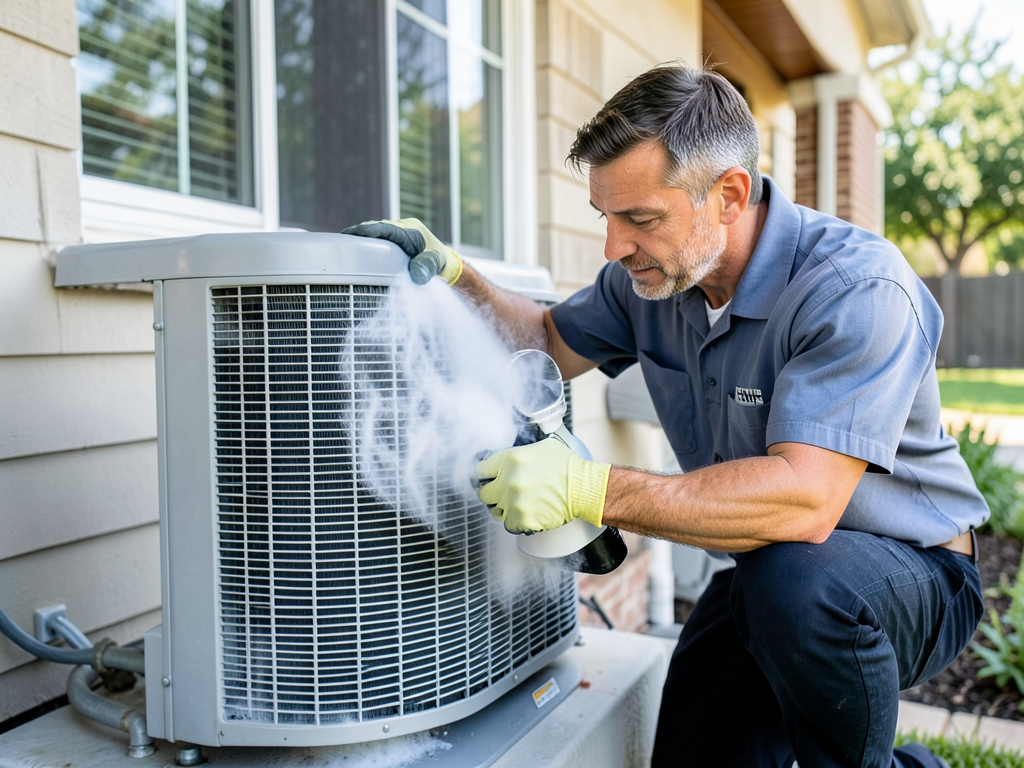
Professional cleaning involves several steps to ensure thorough results. First technicians inspect coils for damage corrosion or refrigerant leaks. They then use commercial-grade coil cleaners that foam and lift debris from between fins.
The process typically includes:
- System shutdown and electrical disconnect
- Application of specialized coil cleaning foam
- High-pressure rinse to remove loosened debris
- Inspection and straightening of bent coil fins
- Testing of refrigerant levels and system performance
Technicians also check the condensate drain line ensuring it flows freely. A clogged drain can cause water damage and create conditions for mold growth.
Cost-Benefit Analysis
Professional coil cleaning costs in Dallas range from $150 to $400 depending on system size and accessibility. While this seems expensive compared to DIY methods the long-term benefits outweigh the initial cost.
Benefits include:
- 15% to 30% reduction in monthly cooling costs
- Prevention of costly repairs like compressor failure
- Extended system lifespan saving replacement costs
- Improved indoor air quality and comfort
- Maintenance of manufacturer warranty requirements
Most HVAC manufacturers require annual professional maintenance to keep warranties valid. Neglecting this maintenance can void coverage leaving homeowners responsible for expensive repairs.
Red Clay Dust: The Dallas Difference
What makes Dallas different from other cities is our red clay soil. This soil contains iron oxides giving it the characteristic red color. When dry these particles become airborne and infiltrate outdoor AC units.
The clay dust is particularly problematic because it combines with moisture to form a cement-like substance on coil surfaces. This buildup is much harder to remove than typical household dust requiring stronger cleaning agents and more thorough techniques.
Areas in North Dallas and Richardson often experience the worst clay dust infiltration due to their proximity to undeveloped prairie land. Homes in these areas may need more frequent cleaning especially during drought conditions when soil is driest.
Prevention Strategies
While you cannot eliminate dust and pollen you can minimize their impact on your AC system. Start with a high-quality air filter rated MERV 8 to MERV 11 for residential systems.
Other prevention tips include:
- Keeping vegetation trimmed at least two feet from outdoor units
- Rinsing the outdoor unit with a garden hose monthly during heavy use seasons
- Installing a UV light system to prevent biological growth on coils
- Scheduling annual professional maintenance before cooling season
UV light systems installed near evaporator coils can kill bacteria and mold preventing the dirty sock syndrome odor. These systems cost $400 to $800 but provide ongoing protection between professional cleanings.
When to Call a Professional
Certain symptoms indicate immediate need for professional service. If your AC runs constantly but cannot cool below 80°F call for service. Ice formation on refrigerant lines requires immediate attention as continuing to run the system can cause compressor damage.
Other warning signs include:
- Unusual noises from the outdoor unit
- Water pooling around the indoor unit
- Strong musty odors when the system runs
- Electric bills spiking without increased usage
Delaying service when these symptoms appear often leads to more expensive repairs. A $200 cleaning call can prevent a $2,000 compressor replacement.
Local Building Code Considerations
Dallas building codes require proper clearance around outdoor AC units for maintenance access. The International Residential Code mandates at least 12 inches of clearance on all sides of the unit.
Homeowners modifying landscaping should maintain this clearance. Overgrown shrubs or decorative walls too close to the unit restrict airflow and trap dust against coils accelerating contamination.
Additionally Dallas Water Utilities has specific requirements for condensate drain discharge. Improper drainage can cause foundation issues especially in areas with expansive clay soil.
Climate Change Impact
North Texas is experiencing longer and hotter summers due to climate change. This extended cooling season means AC systems run more hours annually increasing the rate of coil contamination.
Projections indicate Dallas will see 30 to 60 more days above 95°F by 2050. This trend makes regular maintenance even more critical as systems will face increased workload and longer contamination periods.
Homeowners should consider this when planning maintenance schedules. What was sufficient as annual service may need to become biannual as climate patterns shift.
Energy Efficiency Programs
Several Dallas-area utility companies offer rebates for high-efficiency HVAC systems and maintenance plans. Oncor Electric Delivery and TXU Energy periodically provide incentives for system upgrades and professional maintenance.
These programs often require documentation of regular professional maintenance to qualify for rebates or extended warranties. Keeping records of coil cleaning and other services can save money through these incentive programs.
Check with your electricity provider for current offers. Many programs change annually based on energy demand and conservation goals.
Making the Right Choice
Choosing between DIY and professional cleaning depends on your comfort level technical ability and the condition of your system. If you notice any of the symptoms described above professional service is the safest choice.
Professional technicians bring specialized tools chemicals and experience. They can identify developing problems before they cause system failure. This expertise often saves money despite the higher upfront cost compared to DIY methods.
For Dallas homeowners dealing with red clay dust and extreme humidity professional coil cleaning is not just maintenance it is essential system protection. The unique environmental challenges in North Texas make this service particularly valuable for maintaining comfort and controlling energy costs.
Frequently Asked Questions
How often should AC coils be cleaned in Dallas?
Most Dallas homes need professional coil cleaning annually. Homes near construction sites with pets or in high-pollen areas may need service every six months. Check coils monthly and schedule cleaning if you notice visible dust buildup or reduced cooling performance.
Can dirty coils really increase my electric bill that much?
Yes. Even a thin layer of dust can reduce efficiency by 5% to 21%. For a typical Dallas home this translates to $15 to $60 extra per month during peak cooling season. Over five years neglecting coil cleaning could cost $900 to $3,600 in unnecessary electricity expenses.
What causes the dirty sock smell from my AC?
This odor called dirty sock syndrome results from bacteria and mold growing on dirty evaporator coils. The microorganisms produce compounds that create the characteristic musty smell when the system runs. Professional cleaning with antimicrobial agents eliminates this issue.
Is it safe to clean AC coils myself?
Basic maintenance like changing filters is safe but deep cleaning risks damaging delicate coil fins or using wrong chemicals. Professional cleaning ensures thorough results without damaging your system. DIY attempts often leave debris in hard-to-reach areas reducing effectiveness.
How do I know if my coils need cleaning?
Signs include reduced cooling capacity ice formation on refrigerant lines rising electric bills and unusual odors. If your system runs constantly but cannot cool below 80°F dirty coils are likely the cause. Professional inspection can confirm if cleaning is needed.
{
“@context”: “https://schema.org”,
“@type”: “BlogPosting”,
“headline”: “How the North Texas Red Clay Dust is Secretly Killing Your AC Unit Efficiency”,
“description”: “Discover how North Texas red clay dust affects AC efficiency and learn professional cleaning solutions to reduce energy costs and prevent costly repairs.”,
“wordCount”: 2026,
“datePublished”: “2026-06-07T14:16:00.000Z”,
“dateModified”: “2026-06-07T14:16:00.000Z”,
“inLanguage”: “en-US”,
“mainEntityOfPage”: {
“@type”: “WebPage”,
“@id”: “https://cornerstonehvacdallas.com”
},
“publisher”: {
“@type”: “LocalBusiness”,
“name”: “Cornerstone HVAC Dallas”,
“url”: “https://cornerstonehvacdallas.com”
},
“author”: {
“@type”: “Organization”,
“name”: “Cornerstone HVAC Dallas”,
“url”: “https://cornerstonehvacdallas.com”
},
“image”: {
“@type”: “ImageObject”,
“url”: “https://cornerstonehvacdallas.com/wp-content/uploads/2026/03/how-the-north-texas-red-clay-dust-is-secretly-kill-1.png”
}
}
{
“@context”: “https://schema.org”,
“@type”: “HVACBusiness”,
“name”: “Cornerstone HVAC Dallas”,
“url”: “https://cornerstonehvacdallas.com”,
“address”: {
“@type”: “PostalAddress”,
“addressLocality”: “Dallas”
},
“areaServed”: {
“@type”: “City”,
“name”: “Dallas”
}
}
{
“@context”: “https://schema.org”,
“@type”: “FAQPage”,
“mainEntity”: [
{
“@type”: “Question”,
“name”: “How often should AC coils be cleaned in Dallas?”,
“acceptedAnswer”: {
“@type”: “Answer”,
“text”: “Most Dallas homes need professional coil cleaning annually. Homes near construction sites with pets or in high-pollen areas may need service every six months. Check coils monthly and schedule cleaning if you notice visible dust buildup or reduced cooling performance.”
}
},
{
“@type”: “Question”,
“name”: “Can dirty coils really increase my electric bill that much?”,
“acceptedAnswer”: {
“@type”: “Answer”,
“text”: “Yes. Even a thin layer of dust can reduce efficiency by 5% to 21%. For a typical Dallas home this translates to $15 to $60 extra per month during peak cooling season. Over five years neglecting coil cleaning could cost $900 to $3,600 in unnecessary electricity expenses.”
}
},
{
“@type”: “Question”,
“name”: “What causes the dirty sock smell from my AC?”,
“acceptedAnswer”: {
“@type”: “Answer”,
“text”: “This odor called dirty sock syndrome results from bacteria and mold growing on dirty evaporator coils. The microorganisms produce compounds that create the characteristic musty smell when the system runs. Professional cleaning with antimicrobial agents eliminates this issue.”
}
},
{
“@type”: “Question”,
“name”: “Is it safe to clean AC coils myself?”,
“acceptedAnswer”: {
“@type”: “Answer”,
“text”: “Basic maintenance like changing filters is safe but deep cleaning risks damaging delicate coil fins or using wrong chemicals. Professional cleaning ensures thorough results without damaging your system. DIY attempts often leave debris in hard-to-reach areas reducing effectiveness.”
}
},
{
“@type”: “Question”,
“name”: “How do I know if my coils need cleaning?”,
“acceptedAnswer”: {
“@type”: “Answer”,
“text”: “Signs include reduced cooling capacity ice formation on refrigerant lines rising electric bills and unusual odors. If your system runs constantly but cannot cool below 80°F dirty coils are likely the cause. Professional inspection can confirm if cleaning is needed.”
}
}
]
}
{
“@context”: “https://schema.org”,
“@type”: “BreadcrumbList”,
“itemListElement”: [
{
“@type”: “ListItem”,
“position”: 1,
“name”: “Home”,
“item”: “https://cornerstonehvacdallas.com”
},
{
“@type”: “ListItem”,
“position”: 2,
“name”: “Blog”,
“item”: “https://cornerstonehvacdallas.com/blog”
},
{
“@type”: “ListItem”,
“position”: 3,
“name”: “How the North Texas Red Clay Dust is Secretly Killing Your AC Unit Efficiency”
}
]
}
{
“@context”: “https://schema.org”,
“@type”: “Service”,
“serviceType”: “HVAC”,
“provider”: {
“@type”: “LocalBusiness”,
“name”: “Cornerstone HVAC Dallas”,
“url”: “https://cornerstonehvacdallas.com”
},
“areaServed”: {
“@type”: “City”,
“name”: “Dallas”
},
“description”: “Discover how North Texas red clay dust affects AC efficiency and learn professional cleaning solutions to reduce energy costs and prevent costly repairs.”
}