
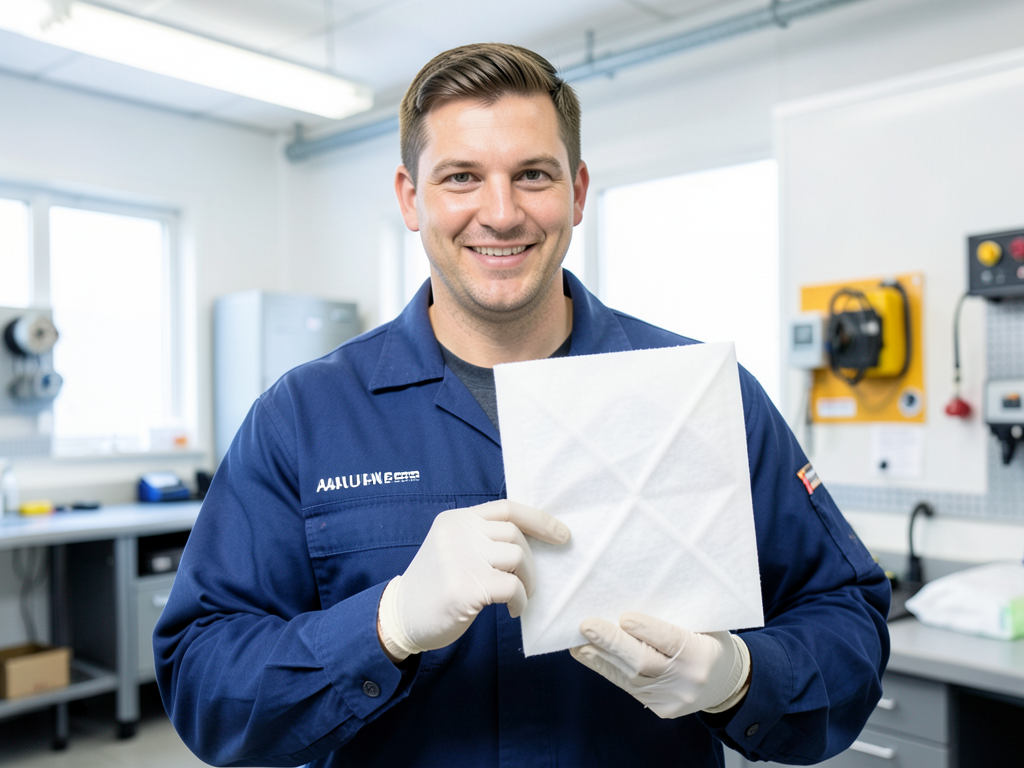
Why Washable Air Filters Might Be Doing More Harm Than Good for Your Dallas HVAC
Your HVAC system works overtime in Dallas. When summer temperatures hit triple digits and humidity levels soar above 70%, your air conditioner needs maximum airflow to keep your home comfortable. That’s why the type of air filter you choose matters more than you might think. HVAC Dallas.
Many homeowners in neighborhoods like Lake Highlands and Lakewood are switching to washable air filters to save money and reduce waste. These reusable filters seem like the perfect solution: one purchase that lasts for years. But in the Dallas climate, they might be creating problems you cannot see until it’s too late.
Before you make the switch, you need to understand how washable filters perform in our specific environment and what hidden costs they might bring to your HVAC system.
At a Glance: Washable vs. Disposable Air Filters
| Filter Type | Initial Cost | Lifespan | MERV Rating Range | Maintenance |
|---|---|---|---|---|
| Washable Electrostatic | $50-$100 | 5-10 years | 1-4 | Monthly washing, complete drying |
| Disposable Pleated | $15-$30 | 1-3 months | 8-13 | Monthly replacement |
How Washable Filters Work and Why They Seem Attractive
Washable air filters use electrostatic charge to attract particles. As air passes through the filter, the material creates a static charge that pulls dust and debris toward the filter surface. This design eliminates the need for disposable media and appeals to homeowners looking to reduce household waste.
The upfront cost looks appealing. A $75 washable filter seems like a bargain compared to spending $20-$30 every few months on disposable filters. Over a five-year period, the math appears to favor washable filters by a wide margin.
But the performance characteristics tell a different story. Most washable filters have MERV ratings between 1 and 4, meaning they capture only the largest particles. They allow pollen, pet dander, and many allergens to pass right through. In Dallas neighborhoods like East Dallas where cedar fever and ragweed allergies are common, this limited filtration can affect your family’s health.
The Dallas Climate Challenge: Humidity and Mold Growth
Dallas summers bring more than just heat. Our humidity levels create the perfect environment for mold and bacteria growth. When you remove a washable filter for cleaning, it needs to dry completely before reinstallation. In Dallas’s humid climate, this drying process can take 24-48 hours even with good air circulation. How Much a New AC Installation Actually Costs in Dallas This Year.
If you reinstall a filter that still contains moisture, you create conditions for mold growth inside your HVAC system. The evaporator coil, ductwork, and even your living spaces can become breeding grounds for mold spores. Once established, mold remediation can cost thousands of dollars.
Homeowners in older neighborhoods like Lakewood and Junius Heights often have homes with less-than-ideal air circulation. These homes make proper filter drying even more challenging. The damp filter sits in a dark, enclosed space with limited airflow – exactly what mold needs to thrive.. Read more about How to Spot a Cracked Heat Exchanger in Your Older Garland Home.
Airflow Restrictions and System Efficiency
Your HVAC system depends on proper airflow to operate efficiently. When filters become clogged with dust and debris, they restrict the amount of air that can pass through the system. This restriction forces your blower motor to work harder, increasing energy consumption and wear on system components.
Washable filters tend to clog faster than high-quality disposable filters. The electrostatic charge that makes them work also causes particles to stick more stubbornly to the filter material. Even after washing, some debris remains embedded in the filter media. Indoor Air Quality Solutions.
In Dallas’s extreme heat, your AC runs longer and more frequently. This extended operation means your filter works harder and clogs faster. A washable filter that seems clean might still be restricting airflow enough to reduce your system’s efficiency by 15-20%.
The Hidden Cost of Restricted Airflow
When your HVAC system cannot move enough air, several problems develop. The evaporator coil may freeze due to insufficient warm air passing over it. This freezing can cause water damage and eventually lead to compressor failure – one of the most expensive repairs in HVAC systems. EPA guide to air cleaners and filters.
Restricted airflow also means your system cannot remove humidity effectively. In Dallas’s humid climate, this creates that uncomfortable sticky feeling even when the temperature is technically cool. Your home feels clammy because the AC cannot cycle long enough to remove moisture from the air.
Energy bills increase as your system runs longer to achieve the same cooling effect. What you saved on filters, you might spend on electricity – and then some. The constant strain on your blower motor also shortens its lifespan, leading to premature replacement costs.
MERV Ratings and What They Mean for Dallas Homes
MERV stands for Minimum Efficiency Reporting Value. This rating system measures how effectively a filter captures particles of different sizes. Higher MERV ratings mean better filtration but also increased airflow resistance.
Most washable filters score MERV 1-4. These filters capture only particles larger than 10 microns – things like carpet fibers and some dust. They miss pollen, mold spores, pet dander, and most bacteria.
High-quality disposable filters typically rate MERV 8-13. These filters capture particles as small as 1 micron, including most allergens that affect Dallas residents. During cedar fever season, this difference in filtration can significantly impact indoor air quality.
Your HVAC system is designed to work with specific airflow levels. Using a filter that is too restrictive can damage the system, while using one that is not restrictive enough fails to protect your indoor air quality.
Maintenance Requirements: The Time Factor
Washable filters require monthly cleaning to maintain proper airflow. This process involves removing the filter, washing it thoroughly, and ensuring it dries completely before reinstallation. In Dallas’s busy households, this extra maintenance step often gets skipped or rushed.
Disposable filters require only monthly replacement. You remove the old filter and slide in a new one – a process that takes about 30 seconds. For busy families in neighborhoods like Casa View or Pleasant Grove, this simplicity matters.
The cleaning process for washable filters also uses water and cleaning solutions. While this might seem environmentally friendly compared to disposable filters, the water usage and potential chemical runoff create their own environmental impact.
Long-Term Cost Analysis for Dallas Homeowners
Over a five-year period, the costs break down differently than most people expect. A washable filter costs $75 upfront plus your time and cleaning supplies. Disposable filters cost $20-$30 every three months, totaling $200-$300 over five years.
But the real costs appear in system maintenance and repairs. Restricted airflow from clogged washable filters can lead to:
- Increased energy bills: $15-$30 per month
- Compressor strain and potential failure: $2,000-$4,000
- Evaporator coil cleaning: $150-$300 annually
- Mold remediation if growth occurs: $500-$5,000
When you factor in these potential costs, the disposable filter option often proves more economical despite the higher upfront filter costs.
Professional HVAC Technician Perspective
Local HVAC technicians in Dallas see the same pattern repeatedly. Homes using washable filters often have dirtier evaporator coils and more frequent service calls. The restricted airflow causes systems to work harder, leading to more breakdowns during peak summer months. Who to Call for Same-Day AC Service in University Park and North Dallas.
Technicians report that homes with high-quality disposable filters typically need professional cleaning less frequently. The better filtration protects the evaporator coil and other internal components from dust buildup.
During Dallas’s intense summer heat, when your AC runs almost continuously, the difference in filtration performance becomes even more pronounced. Washable filters that worked adequately during mild weather often fail to protect your system during extreme conditions.
Who Should Consider Washable Filters
Washable filters might work for some homeowners under specific conditions:
- Homes without allergy sufferers
- Systems with oversized blowers that can handle the extra restriction
- Residents willing to maintain a strict monthly cleaning schedule
- Older systems that cannot handle high-MERV disposable filters
But even in these cases, the benefits often do not outweigh the risks in Dallas’s climate. The combination of heat, humidity, and allergen levels creates conditions where washable filters struggle to perform effectively.
Better Alternatives for Dallas Homes
Instead of washable filters, consider these options that work better in Dallas:
High-quality pleated disposable filters with MERV 8-11 ratings offer excellent filtration without excessive airflow restriction. These filters capture most allergens while allowing your system to operate efficiently.
Smart air quality monitors can help you track when filters need replacement based on actual air quality rather than calendar dates. This approach ensures you replace filters at the optimal time for your specific home and conditions.
UV light systems installed in your ductwork can kill mold, bacteria, and viruses without restricting airflow. These systems work alongside your regular filtration to improve indoor air quality.
Making the Right Choice for Your Home
The decision between washable and disposable filters depends on your specific situation. Consider your home’s age, your family’s health needs, and your willingness to maintain a regular cleaning schedule.
In Dallas’s challenging climate, most homeowners find that high-quality disposable filters provide the best balance of filtration, system protection, and convenience. The slightly higher long-term cost is often offset by better system performance and fewer repair needs.
If you are unsure which option is best for your home, a professional HVAC technician can evaluate your system and recommend the optimal filter type. They can also check for existing issues that might be affecting your system’s performance.
Your HVAC system represents a significant investment in your home’s comfort and your family’s health. Choosing the right filter is one of the simplest ways to protect that investment and ensure your system operates efficiently for years to come.
Frequently Asked Questions
Are washable air filters really more environmentally friendly?
While washable filters reduce landfill waste, their environmental impact is more complex. The water and energy used for cleaning, plus the potential for shortened HVAC system life, can offset the benefits. High-quality disposable filters with recyclable materials often provide a better overall environmental choice.
How often should I replace my disposable filter in Dallas?
Most Dallas homes need filter replacement every 30-60 days, depending on factors like pet ownership, allergy concerns, and system usage. During peak summer months when your AC runs constantly, monthly replacement is often necessary.
Can a bad filter really damage my HVAC system?
Yes. Restricted airflow from clogged or inappropriate filters can cause evaporator coil freezing, compressor strain, and motor burnout. These repairs often cost hundreds to thousands of dollars, far exceeding any savings from using washable filters.
What MERV rating should I use in my Dallas home?
For most Dallas homes, MERV 8-11 provides the best balance of filtration and airflow. Higher ratings can restrict airflow in older systems, while lower ratings fail to capture common allergens in our area.
How can I tell if my filter is restricting airflow?
Signs include reduced cooling performance, longer run times, higher energy bills, and weak airflow from vents. If your home feels stuffy even when the AC runs constantly, your filter might be the culprit.
- Check Your System Specifications
Review your HVAC manual or consult a technician to determine the maximum MERV rating your system can handle without airflow restriction.
- Consider Your Family’s Health Needs
If anyone in your home has allergies or respiratory issues, choose a filter with MERV 9-11 and consider adding UV light purification.
- Evaluate Your Maintenance Habits
Be honest about whether you will maintain a strict cleaning schedule for washable filters or if disposable filters would be more practical.
- Factor in Local Conditions
Dallas’s high pollen counts and humidity levels require better filtration than many other regions, making high-quality disposable filters often the best choice.
Protect Your HVAC Investment Today
Your HVAC system works hard to keep your Dallas home comfortable through extreme heat and humidity. The right air filter protects that investment while ensuring your family breathes clean, healthy air.
If you are experiencing reduced cooling performance, higher energy bills, or frequent system cycling, your air filter might be part of the problem. Do not wait until a minor issue becomes a major repair.
Call CornerStone HVAC today at (972) 850-2750 to schedule a professional evaluation of your system and get personalized recommendations for your specific home and needs. Our experienced technicians understand the unique challenges Dallas homeowners face and can help you make the right choice for your family’s comfort and your system’s longevity.
Whether you need a system checkup, filter replacement, or complete HVAC service, we are here to help you breathe easier and stay comfortable all year long.
CornerStone HVAC – Serving Dallas, Duncanville, Farmers Branch, Garland, and Mesquite with expert heating and cooling solutions since 2010. For more information, visit ASHRAE air cleaning standards.
{
“@context”: “https://schema.org”,
“@type”: “BlogPosting”,
“headline”: “Why Washable Air Filters Might Be Doing More Harm Than Good for Your Dallas HVAC”,
“description”: “Discover why washable air filters could damage your Dallas HVAC system. Learn about MERV ratings, mold risks, and the hidden costs of electrostatic filters.”,
“wordCount”: 2114,
“datePublished”: “2026-06-15T07:03:00.000Z”,
“dateModified”: “2026-06-15T07:03:00.000Z”,
“inLanguage”: “en-US”,
“mainEntityOfPage”: {
“@type”: “WebPage”,
“@id”: “https://cornerstonehvacdallas.com”
},
“publisher”: {
“@type”: “LocalBusiness”,
“name”: “Cornerstone HVAC Dallas”,
“url”: “https://cornerstonehvacdallas.com”
},
“author”: {
“@type”: “Organization”,
“name”: “Cornerstone HVAC Dallas”,
“url”: “https://cornerstonehvacdallas.com”
},
“image”: {
“@type”: “ImageObject”,
“url”: “https://cornerstonehvacdallas.com/wp-content/uploads/2026/03/why-washable-air-filters-might-be-doing-more-harm-1.png”
}
}
{
“@context”: “https://schema.org”,
“@type”: “HVACBusiness”,
“name”: “Cornerstone HVAC Dallas”,
“url”: “https://cornerstonehvacdallas.com”,
“address”: {
“@type”: “PostalAddress”,
“addressLocality”: “Dallas”
},
“areaServed”: {
“@type”: “City”,
“name”: “Dallas”
}
}
{
“@context”: “https://schema.org”,
“@type”: “FAQPage”,
“mainEntity”: [
{
“@type”: “Question”,
“name”: “Are washable air filters really more environmentally friendly?”,
“acceptedAnswer”: {
“@type”: “Answer”,
“text”: “While washable filters reduce landfill waste, their environmental impact is more complex. The water and energy used for cleaning, plus the potential for shortened HVAC system life, can offset the benefits. High-quality disposable filters with recyclable materials often provide a better overall environmental choice.”
}
},
{
“@type”: “Question”,
“name”: “How often should I replace my disposable filter in Dallas?”,
“acceptedAnswer”: {
“@type”: “Answer”,
“text”: “Most Dallas homes need filter replacement every 30-60 days, depending on factors like pet ownership, allergy concerns, and system usage. During peak summer months when your AC runs constantly, monthly replacement is often necessary.”
}
},
{
“@type”: “Question”,
“name”: “Can a bad filter really damage my HVAC system?”,
“acceptedAnswer”: {
“@type”: “Answer”,
“text”: “Yes. Restricted airflow from clogged or inappropriate filters can cause evaporator coil freezing, compressor strain, and motor burnout. These repairs often cost hundreds to thousands of dollars, far exceeding any savings from using washable filters.”
}
},
{
“@type”: “Question”,
“name”: “What MERV rating should I use in my Dallas home?”,
“acceptedAnswer”: {
“@type”: “Answer”,
“text”: “For most Dallas homes, MERV 8-11 provides the best balance of filtration and airflow. Higher ratings can restrict airflow in older systems, while lower ratings fail to capture common allergens in our area.”
}
},
{
“@type”: “Question”,
“name”: “How can I tell if my filter is restricting airflow?”,
“acceptedAnswer”: {
“@type”: “Answer”,
“text”: “Signs include reduced cooling performance, longer run times, higher energy bills, and weak airflow from vents. If your home feels stuffy even when the AC runs constantly, your filter might be the culprit.”
}
}
]
}
{
“@context”: “https://schema.org”,
“@type”: “HowTo”,
“name”: “How to Choose the Right Air Filter”,
“step”: [
{
“@type”: “HowToStep”,
“position”: 1,
“name”: “Check Your System Specifications”,
“text”: “Review your HVAC manual or consult a technician to determine the maximum MERV rating your system can handle without airflow restriction.”
},
{
“@type”: “HowToStep”,
“position”: 2,
“name”: “Consider Your Family’s Health Needs”,
“text”: “If anyone in your home has allergies or respiratory issues, choose a filter with MERV 9-11 and consider adding UV light purification.”
},
{
“@type”: “HowToStep”,
“position”: 3,
“name”: “Evaluate Your Maintenance Habits”,
“text”: “Be honest about whether you will maintain a strict cleaning schedule for washable filters or if disposable filters would be more practical.”
},
{
“@type”: “HowToStep”,
“position”: 4,
“name”: “Factor in Local Conditions”,
“text”: “Dallas’s high pollen counts and humidity levels require better filtration than many other regions, making high-quality disposable filters often the best choice.”
}
],
“image”: “https://cornerstonehvacdallas.com/wp-content/uploads/2026/03/why-washable-air-filters-might-be-doing-more-harm-1.png”
}
{
“@context”: “https://schema.org”,
“@type”: “BreadcrumbList”,
“itemListElement”: [
{
“@type”: “ListItem”,
“position”: 1,
“name”: “Home”,
“item”: “https://cornerstonehvacdallas.com”
},
{
“@type”: “ListItem”,
“position”: 2,
“name”: “Blog”,
“item”: “https://cornerstonehvacdallas.com/blog”
},
{
“@type”: “ListItem”,
“position”: 3,
“name”: “Why Washable Air Filters Might Be Doing More Harm Than Good for Your Dallas HVAC”
}
]
}
{
“@context”: “https://schema.org”,
“@type”: “Service”,
“serviceType”: “HVAC”,
“provider”: {
“@type”: “LocalBusiness”,
“name”: “Cornerstone HVAC Dallas”,
“url”: “https://cornerstonehvacdallas.com”
},
“areaServed”: {
“@type”: “City”,
“name”: “Dallas”
},
“description”: “Discover why washable air filters could damage your Dallas HVAC system. Learn about MERV ratings, mold risks, and the hidden costs of electrostatic filters.”
}