
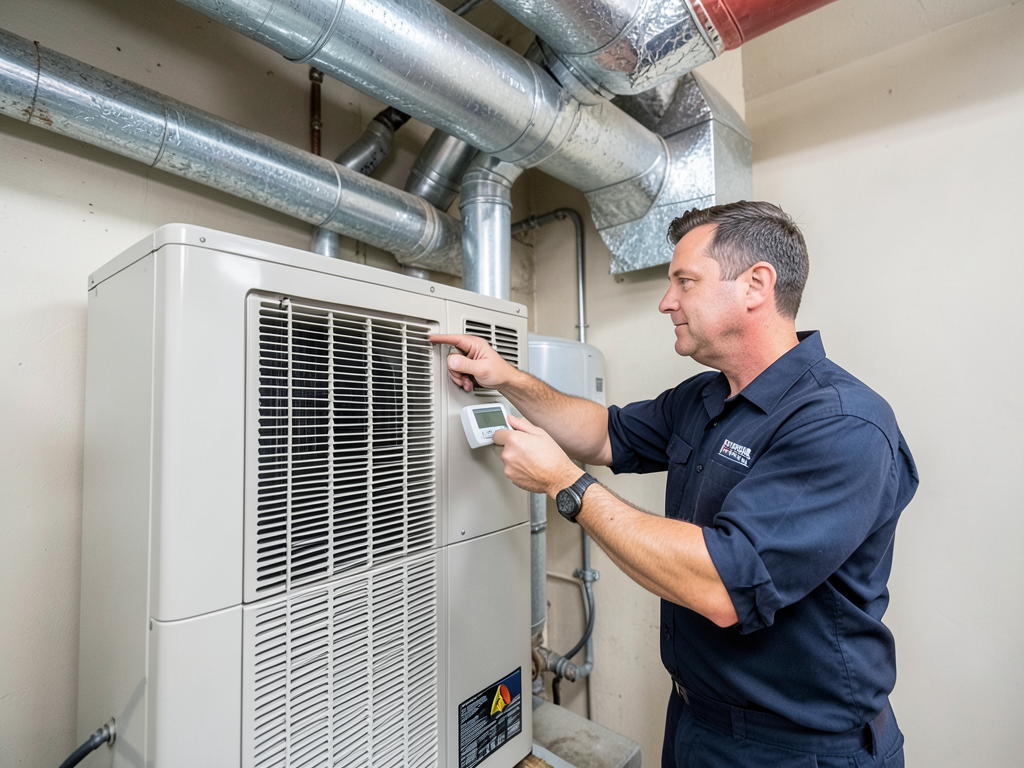
Understanding Your AC Rights as a Lower Greenville Renter
Living in Lower Greenville means enjoying Dallas’s vibrant urban lifestyle, but when your air conditioning fails during a Texas summer, you need to know exactly where you stand. The sweltering heat that defines Dallas summers isn’t just uncomfortable—it can become a serious health hazard when your AC stops working. Dallas City Code Chapter 27.
The good news is that both Texas state law and Dallas city ordinances provide specific protections for renters dealing with broken air conditioning. Understanding these rights can help you get your AC repaired quickly and avoid unnecessary suffering through the hottest months of the year. Texas Property Code Section 92.
Is Air Conditioning Required in Dallas Rental Properties?
While Texas state law doesn’t explicitly require landlords to provide air conditioning, Dallas city code takes a much stricter stance. According to Dallas City Code Chapter 27, rental properties must maintain safe and habitable conditions, which includes adequate cooling during extreme heat events. HVAC Dallas.
The key difference lies in how local ordinances interpret “habitable conditions.” In Dallas, where summer temperatures regularly exceed 100 degrees Fahrenheit, air conditioning isn’t considered a luxury—it’s viewed as essential for basic livability. This means landlords in Lower Greenville and throughout Dallas have a legal obligation to ensure their rental properties have functioning cooling systems.. Read more about How to Prepare Your HVAC System for the Seasonal Switch From Cooling to Heating in Expo Park.
Dallas City Code vs. Texas State Law: The 85-Degree Rule
Dallas City Code Section 27-11 establishes specific temperature requirements that go beyond state law. While Texas Property Code Section 92.052 requires landlords to make necessary repairs, Dallas adds concrete temperature thresholds that trigger immediate action.
Under Dallas regulations, rental properties must maintain indoor temperatures at or below 85 degrees Fahrenheit when outdoor temperatures exceed 95 degrees. Additionally, the code requires that indoor temperatures stay at least 20 degrees cooler than the outside temperature during extreme heat events. This “15-degree rule” means if it’s 105 degrees outside, your apartment should be cooling to at least 85 degrees or lower. Indoor Air Quality Solutions.
These specific temperature requirements give renters in Lower Greenville clear benchmarks for determining when their AC problems constitute a legal violation rather than just an inconvenience.. Read more about What Every Renter in Victory Park Needs to Know About Landlord HVAC Responsibilities.
The Legal Process: How to Notify Your Landlord Correctly
Before you can take legal action regarding a broken AC, you must follow the proper notification procedures outlined in Texas Property Code Section 92.052. This process is crucial because failing to document your requests correctly can undermine your case later.
The notification must be in writing and delivered through certified mail with return receipt requested. This creates a paper trail that proves you notified your landlord and gives them the opportunity to address the issue. Keep copies of all correspondence, including the certified mail receipt and any responses from your landlord.
Your written notice should include specific details about the problem, the date you first noticed it, and a clear request for repair. Document the indoor temperature with dated photos of your thermostat if possible. This documentation becomes essential if you need to pursue further legal remedies.. Read more about Preparing Your Outdoor AC Unit for the First Triple-Digit Dallas Heat Wave.
Timeline for Repairs: How Long Does a Landlord Have?
Once you’ve properly notified your landlord about a broken AC, Texas law gives them a “reasonable time” to make repairs. In the context of air conditioning failures during Dallas summers, courts typically consider seven days to be the maximum reasonable time frame.
However, if the AC failure creates conditions that affect your physical health or safety—which is almost always true during Dallas heat waves—the timeline becomes much shorter. In emergency situations, landlords may be required to begin repairs within 24 to 48 hours.
The severity of the problem matters. If your AC stops working when temperatures are in the 80s, courts might give landlords more time than if it fails during a 105-degree heat wave. Document the outdoor temperature when your AC fails to establish the urgency of the situation.. Read more about Comparing the Best Low Profile Outdoor Units for Narrow Side Yards in Lower Greenville.
What to Do if Your Landlord Refuses to Fix the AC
If your landlord fails to repair your AC within the reasonable timeframe, you have several legal options. The most common is the “repair and deduct” remedy, which allows you to hire a licensed HVAC contractor to fix the problem and deduct the cost from your rent.
However, this remedy comes with strict requirements. You must have given proper written notice, waited the required time period, and obtained multiple estimates before proceeding. The cost cannot exceed a certain percentage of your monthly rent, and you must provide your landlord with copies of all receipts and documentation.
Another option is filing a complaint with Dallas Code Compliance through the city’s 311 service. Code Compliance officers can inspect your property and issue citations to landlords who violate city codes regarding habitable conditions. Who to Call for Same-Day AC Service in University Park and North Dallas.
In extreme cases, you might consider breaking your lease or pursuing legal action through Justice of the Peace Court. These options should be considered carefully and typically require consultation with a tenant rights attorney.
Common HVAC Issues in Dallas Apartments and Who Pays
Understanding what typically goes wrong with AC systems can help you determine whether a problem is your responsibility or your landlord’s. Most AC failures in rental properties stem from issues with the compressor, refrigerant leaks, or electrical components—all of which are the landlord’s responsibility to repair.
Filter changes and basic cleaning are typically the tenant’s responsibility, but anything involving refrigerant, electrical work, or mechanical repairs falls to the landlord. If your AC is blowing warm air, making unusual noises, or failing to turn on at all, these are almost certainly the landlord’s responsibility.
Many Lower Greenville apartments have older HVAC systems that struggle with Dallas’s extreme heat and humidity. These systems often require more frequent maintenance and may be more prone to failure during peak summer months. Landlords of older properties should be particularly proactive about AC maintenance.
Emergency Criteria: When AC Failure Becomes a Health Hazard
Not every AC problem qualifies as an emergency, but Dallas heat creates specific thresholds where failure becomes dangerous. The elderly, young children, and people with certain medical conditions are particularly vulnerable to heat-related illnesses.
Emergency conditions typically exist when indoor temperatures exceed 85 degrees for extended periods, when outdoor temperatures exceed 100 degrees, or when residents include vulnerable populations. In these cases, the “reasonable time” for repairs may be measured in hours rather than days.
Heat exhaustion and heat stroke are real risks during Dallas summers. Symptoms include dizziness, nausea, rapid heartbeat, and confusion. If anyone in your household experiences these symptoms due to lack of air conditioning, seek medical attention immediately and document the incident for your landlord.
Documenting Your AC Problems for Legal Purposes
Proper documentation is your best defense when dealing with AC problems. Start by taking dated photos of your thermostat showing indoor temperatures, especially when they exceed the legal thresholds. Keep a log of when your AC stops working and when it’s operational.
Record all communications with your landlord, including phone calls (with dates and times) and emails. If you speak to maintenance personnel, note their names and what they tell you about the problem and repair timeline.
Consider using a simple temperature data logger if you experience chronic AC problems. These inexpensive devices can provide objective evidence of temperature violations over time, which can be crucial in legal proceedings.
Resources for Dallas Renters Facing AC Issues
Several organizations can help if you’re struggling with AC problems in your rental. The Dallas Tenants Council provides free advice and can help you understand your rights. Legal Aid of Northwest Texas offers assistance to low-income renters facing housing issues.
The City of Dallas Code Compliance Department can be reached through 311 and can send inspectors to verify code violations. While they can’t force immediate repairs, they can issue citations that may motivate your landlord to act.
For emergency situations, the American Red Cross provides cooling centers during extreme heat events. These facilities offer air-conditioned spaces where you can stay safe while waiting for AC repairs.
Preventive Measures: Protecting Yourself Before Problems Occur
While you can’t prevent all AC problems, you can take steps to protect yourself before issues arise. When signing a lease, ask about the age and condition of the HVAC system. Request documentation of recent maintenance and repairs.
Document the condition of the AC system when you move in with photos and written descriptions. This creates a baseline that can prevent disputes about pre-existing conditions later.
Consider including specific AC-related clauses in your lease agreement, such as required response times for repairs and temperature maintenance requirements. While standard leases may not include these provisions, many landlords will agree to add them.
The Role of Professional HVAC Services
When AC problems persist, having a trusted HVAC professional assess the situation can be valuable. While you shouldn’t hire contractors for repairs without following proper legal procedures, getting an expert opinion about the severity of the problem can strengthen your case.
Professional HVAC technicians can provide written assessments of system conditions, repair estimates, and opinions about whether a system meets current efficiency and safety standards. This documentation can be crucial evidence if you need to pursue legal remedies.
For landlords, regular professional maintenance can prevent many AC emergencies. Annual inspections, timely filter changes, and prompt attention to minor issues can extend system life and prevent costly emergency repairs.
Understanding Your Lease Agreement
Your lease agreement is the foundation of your rights and responsibilities regarding AC maintenance. Read it carefully before signing, paying special attention to sections about repairs, maintenance responsibilities, and notice requirements.
Some leases include specific provisions about AC maintenance that go beyond legal requirements. These might include required maintenance schedules, temperature guarantees, or specific procedures for requesting repairs.
If your lease includes illegal provisions—such as shifting all repair responsibilities to the tenant—these clauses are generally unenforceable. However, you’ll need legal assistance to challenge them effectively.
Seasonal Considerations for Dallas AC Systems
Dallas’s climate creates unique challenges for AC systems. The combination of extreme heat, high humidity, and occasional cold snaps means systems must be versatile and well-maintained. Summer heat waves can push older systems beyond their design capacity, leading to failures.
Spring is the ideal time for AC maintenance in Dallas. Having your system inspected before summer heat arrives can prevent many common failures. This is especially important in older Lower Greenville buildings where systems may be near the end of their useful life.
Fall maintenance is also important, as systems that worked hard all summer may have developed issues that could cause problems when heating is needed during occasional cold snaps.
Energy Efficiency and Your Rights
While landlords aren’t required to provide the most energy-efficient AC systems, they must maintain existing systems in safe and functional condition. If your AC is so inefficient that it can’t maintain safe temperatures during normal operation, this may constitute a habitability issue.
Energy efficiency also affects your utility costs. While landlords typically pay for major repairs, tenants usually pay for electricity. An inefficient system can lead to extremely high utility bills, which may be grounds for rent reduction if the system can’t maintain safe temperatures.
Consider requesting an energy audit if you suspect your AC system is unusually inefficient. This documentation can support requests for system upgrades or rent adjustments.
Moving Forward: Protecting Your Rights
Living in Lower Greenville offers many advantages, but dealing with AC problems requires knowledge and preparation. By understanding your rights under Dallas city code and Texas state law, you can ensure that your landlord maintains your rental property in safe, habitable condition.
Remember that documentation is your most powerful tool. Keep records of all communications, temperatures, and repair attempts. This documentation can make the difference between a quick resolution and a prolonged dispute.
If you’re facing AC problems that your landlord won’t address, don’t suffer in silence. Use the resources available through the city, legal aid organizations, and tenant advocacy groups to protect your rights and ensure your safety during Dallas’s extreme summers.
Frequently Asked Questions
How long can my landlord leave me without air conditioning in Dallas?
Under Texas law, landlords must make repairs within a “reasonable time,” which courts typically interpret as seven days for AC repairs during summer. However, if the lack of AC creates dangerous conditions affecting health or safety, the timeline may be much shorter—potentially 24 to 48 hours.
Can I break my lease if the air conditioning isn’t fixed?
Yes, you may be able to break your lease if your landlord fails to maintain habitable conditions, including proper cooling. However, you must follow proper legal procedures, including giving written notice and allowing reasonable time for repairs. Breaking a lease without following these steps could leave you liable for rent.
Who pays for AC repairs in a rental property?
Landlords are responsible for repairing and maintaining the AC system, including all mechanical and electrical components. Tenants are typically responsible for basic maintenance like filter changes. If the AC breaks due to normal wear and tear, the landlord must pay for repairs.
What temperature is considered too hot for a rental property in Dallas?
Dallas City Code requires rental properties to maintain indoor temperatures at or below 85 degrees Fahrenheit when outdoor temperatures exceed 95 degrees. Additionally, indoor temperatures must stay at least 20 degrees cooler than outdoor temperatures during extreme heat events.
How do I prove my landlord isn’t maintaining the AC properly?
Document everything: take dated photos of your thermostat showing indoor temperatures, keep records of all communications with your landlord, and note the dates and times when your AC fails. Consider using a temperature data logger for objective evidence. Written statements from HVAC professionals can also support your case.
Can I withhold rent if my landlord won’t fix the AC?
Withholding rent is risky and can lead to eviction. Instead, consider the “repair and deduct” remedy, which allows you to pay for repairs and deduct the cost from your rent—but only after following specific legal procedures including proper notice and waiting periods.
You may also find this helpful. How to Get Rid of Dirty Sock Syndrome and Other Foul Odors in Your Sachse HVAC System.
You may also find this helpful. What That Burning Smell From Your Furnace Means for Your Cedar Hill Home.
{
“@context”: “https://schema.org”,
“@type”: “BlogPosting”,
“headline”: “Everything Lower Greenville Renters Should Know About AC Maintenance and Landlord Responsibilities”,
“description”: “Learn your legal rights for AC repairs in Dallas rentals. Understand landlord obligations, city code requirements, and what to do when your AC breaks.”,
“wordCount”: 2337,
“datePublished”: “2026-04-24T10:28:00.000Z”,
“dateModified”: “2026-04-24T10:28:00.000Z”,
“inLanguage”: “en-US”,
“mainEntityOfPage”: {
“@type”: “WebPage”,
“@id”: “https://cornerstonehvacdallas.com”
},
“publisher”: {
“@type”: “LocalBusiness”,
“name”: “Cornerstone HVAC Dallas”,
“url”: “https://cornerstonehvacdallas.com”
},
“author”: {
“@type”: “Organization”,
“name”: “Cornerstone HVAC Dallas”,
“url”: “https://cornerstonehvacdallas.com”
},
“image”: {
“@type”: “ImageObject”,
“url”: “https://cornerstonehvacdallas.com/wp-content/uploads/2026/03/everything-lower-greenville-renters-should-know-ab-1.png”
}
}
{
“@context”: “https://schema.org”,
“@type”: “HVACBusiness”,
“name”: “Cornerstone HVAC Dallas”,
“url”: “https://cornerstonehvacdallas.com”,
“address”: {
“@type”: “PostalAddress”,
“addressLocality”: “Dallas”
},
“areaServed”: {
“@type”: “City”,
“name”: “Dallas”
}
}
{
“@context”: “https://schema.org”,
“@type”: “FAQPage”,
“mainEntity”: [
{
“@type”: “Question”,
“name”: “Is Air Conditioning Required in Dallas Rental Properties?”,
“acceptedAnswer”: {
“@type”: “Answer”,
“text”: “While Texas state law doesn’t explicitly require landlords to provide air conditioning, Dallas city code takes a much stricter stance. According to Dallas City Code Chapter 27, rental properties must maintain safe and habitable conditions, which includes adequate cooling during extreme heat events. HVAC Dallas.”
}
},
{
“@type”: “Question”,
“name”: “Timeline for Repairs: How Long Does a Landlord Have?”,
“acceptedAnswer”: {
“@type”: “Answer”,
“text”: “Once you’ve properly notified your landlord about a broken AC, Texas law gives them a \”reasonable time\” to make repairs. In the context of air conditioning failures during Dallas summers, courts typically consider seven days to be the maximum reasonable time frame.”
}
},
{
“@type”: “Question”,
“name”: “How long can my landlord leave me without air conditioning in Dallas?”,
“acceptedAnswer”: {
“@type”: “Answer”,
“text”: “Under Texas law, landlords must make repairs within a \”reasonable time,\” which courts typically interpret as seven days for AC repairs during summer. However, if the lack of AC creates dangerous conditions affecting health or safety, the timeline may be much shorter—potentially 24 to 48 hours.”
}
},
{
“@type”: “Question”,
“name”: “Can I break my lease if the air conditioning isn’t fixed?”,
“acceptedAnswer”: {
“@type”: “Answer”,
“text”: “Yes, you may be able to break your lease if your landlord fails to maintain habitable conditions, including proper cooling. However, you must follow proper legal procedures, including giving written notice and allowing reasonable time for repairs. Breaking a lease without following these steps could leave you liable for rent.”
}
},
{
“@type”: “Question”,
“name”: “Who pays for AC repairs in a rental property?”,
“acceptedAnswer”: {
“@type”: “Answer”,
“text”: “Landlords are responsible for repairing and maintaining the AC system, including all mechanical and electrical components. Tenants are typically responsible for basic maintenance like filter changes. If the AC breaks due to normal wear and tear, the landlord must pay for repairs.”
}
},
{
“@type”: “Question”,
“name”: “What temperature is considered too hot for a rental property in Dallas?”,
“acceptedAnswer”: {
“@type”: “Answer”,
“text”: “Dallas City Code requires rental properties to maintain indoor temperatures at or below 85 degrees Fahrenheit when outdoor temperatures exceed 95 degrees. Additionally, indoor temperatures must stay at least 20 degrees cooler than outdoor temperatures during extreme heat events.”
}
},
{
“@type”: “Question”,
“name”: “How do I prove my landlord isn’t maintaining the AC properly?”,
“acceptedAnswer”: {
“@type”: “Answer”,
“text”: “Document everything: take dated photos of your thermostat showing indoor temperatures, keep records of all communications with your landlord, and note the dates and times when your AC fails. Consider using a temperature data logger for objective evidence. Written statements from HVAC professionals can also support your case.”
}
},
{
“@type”: “Question”,
“name”: “Can I withhold rent if my landlord won’t fix the AC?”,
“acceptedAnswer”: {
“@type”: “Answer”,
“text”: “Withholding rent is risky and can lead to eviction. Instead, consider the \”repair and deduct\” remedy, which allows you to pay for repairs and deduct the cost from your rent—but only after following specific legal procedures including proper notice and waiting periods.”
}
}
]
}
{
“@context”: “https://schema.org”,
“@type”: “BreadcrumbList”,
“itemListElement”: [
{
“@type”: “ListItem”,
“position”: 1,
“name”: “Home”,
“item”: “https://cornerstonehvacdallas.com”
},
{
“@type”: “ListItem”,
“position”: 2,
“name”: “Blog”,
“item”: “https://cornerstonehvacdallas.com/blog”
},
{
“@type”: “ListItem”,
“position”: 3,
“name”: “Everything Lower Greenville Renters Should Know About AC Maintenance and Landlord Responsibilities”
}
]
}
{
“@context”: “https://schema.org”,
“@type”: “Service”,
“serviceType”: “HVAC”,
“provider”: {
“@type”: “LocalBusiness”,
“name”: “Cornerstone HVAC Dallas”,
“url”: “https://cornerstonehvacdallas.com”
},
“areaServed”: {
“@type”: “City”,
“name”: “Dallas”
},
“description”: “Learn your legal rights for AC repairs in Dallas rentals. Understand landlord obligations, city code requirements, and what to do when your AC breaks.”
}