
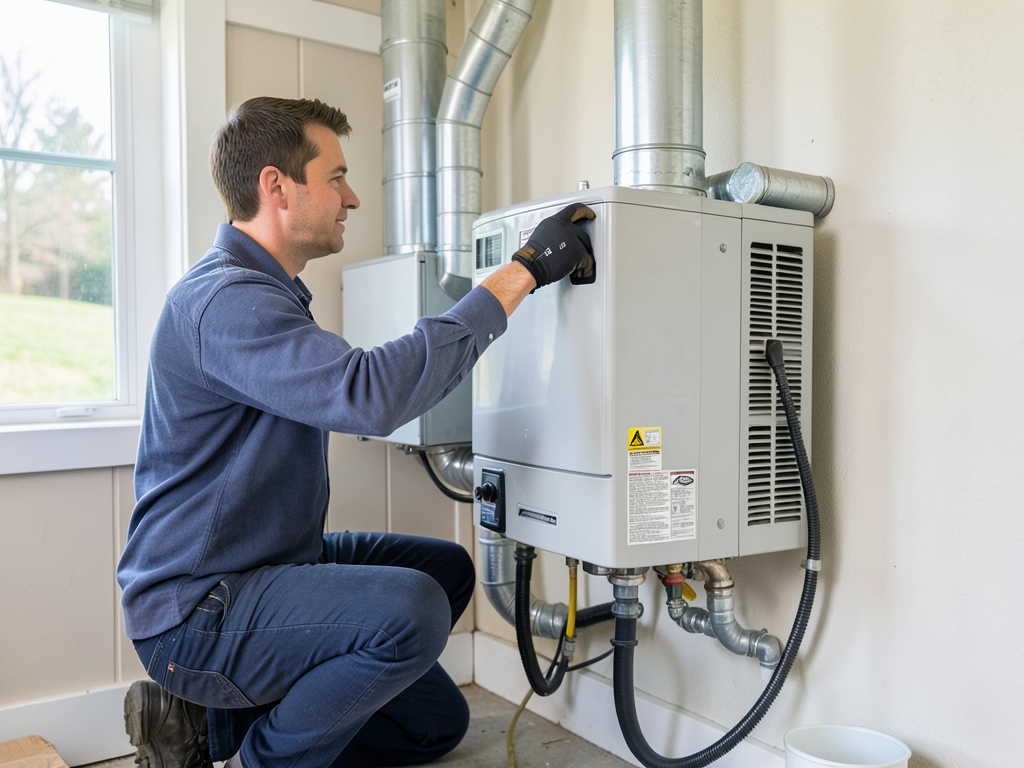
Protecting Your Northwood Hills Hardwood Floors With Better Humidity Control
Your beautiful Northwood Hills hardwood floors are more than just a design feature. They are a significant investment that can last generations when properly maintained. In Dallas, however, the extreme humidity swings between summer and winter create a constant battle for wood floors. The same HVAC system that keeps your home comfortable also plays a critical role in protecting your flooring from costly damage. HVAC Dallas.
Dallas experiences some of the most challenging humidity conditions in the country. Summer brings oppressive moisture levels that can exceed 80% relative humidity, while winter heating systems can drop indoor levels below 20%. These swings cause wood to expand and contract repeatedly, leading to visible damage like cupping, crowning, and gaps between boards. Understanding this relationship between your HVAC system and your floors is the first step toward protecting your investment. Indoor Air Quality Solutions.
How Dallas Humidity Affects Your Hardwood Floors
Wood is a hygroscopic material, meaning it naturally absorbs and releases moisture from the surrounding air. When Dallas summer humidity rises, wood floorboards absorb moisture and expand. This expansion can cause boards to push against each other, creating pressure that leads to cupping where the edges of boards rise higher than the center. In severe cases, this pressure can cause buckling where entire sections of flooring lift from the subfloor.
During winter, when your heating system runs constantly, indoor air becomes extremely dry. This causes wood to release moisture and contract. The result is often gapping between floorboards, where spaces appear that were not there during the humid summer months. While some seasonal movement is normal, extreme swings can cause permanent damage that requires expensive refinishing or replacement.
The North Texas climate creates unique challenges for hardwood floors. Our region experiences rapid humidity changes that other parts of the country do not face. A typical Dallas summer day might start with 70% humidity and end with a thunderstorm pushing levels above 85%. These rapid changes stress wood floors continuously, making proper humidity control essential for preservation.
Signs Your Dallas Home Has a Humidity Problem
Before your floors show visible damage, your home often gives warning signs of humidity issues. In Northwood Hills and surrounding areas like Lake Highlands and Richardson, many homes built in the 1950s and 1960s have original hardwood floors that are particularly vulnerable to Dallas humidity swings.
Early warning signs include windows that constantly fog up during summer months, a musty smell in certain rooms, or condensation on air conditioning vents. You might notice your doors sticking during humid periods or drafty feelings during winter when the heat runs. These symptoms indicate your home’s humidity levels are outside the ideal range for wood floor preservation.
More serious signs specific to hardwood floors include cupping, where board edges curl upward creating a concave surface. Crowning is the opposite, with center sections rising above edges. Both conditions indicate moisture imbalance. Gapping between boards, especially in winter, shows excessive dryness. In severe cases, you might notice nails popping up through the floor surface as wood expands and contracts around them.
The type of wood also affects how humidity impacts your floors. Oak, the most common hardwood in North Texas homes, shows changes more dramatically than engineered products. Mesquite, popular in some Dallas homes for its durability, still responds to humidity but may show less visible damage. Understanding your specific flooring material helps predict and prevent problems.
The Ideal Humidity Range for North Texas Homes
Wood flooring manufacturers and the National Wood Flooring Association recommend maintaining indoor relative humidity between 35% and 55% for optimal floor performance. This range prevents excessive expansion and contraction while keeping your home comfortable for occupants. National Wood Flooring Association.
In Dallas, achieving this range requires active management throughout the year. Summer humidity often needs to be reduced from outdoor levels that can exceed 70% down to the target 50% range. Winter presents the opposite challenge, as heating systems can drop indoor humidity to 15-20%, well below the safe minimum for wood floors.
The relationship between temperature and humidity also matters. Warm air holds more moisture than cold air, so the same absolute moisture level feels different at different temperatures. Your HVAC system must balance both temperature and humidity to protect your floors effectively. This is why simple portable humidifiers or dehumidifiers often fail to protect hardwood floors properly.
Different wood species have slightly different ideal humidity ranges. Oak floors generally perform best between 40-50% relative humidity, while engineered products with plywood cores can tolerate slightly wider ranges. Exotic woods like Brazilian cherry may require even tighter control. Understanding your specific flooring helps set appropriate HVAC targets.
Whole-Home Dehumidifiers vs. Variable-Speed AC Units
When humidity control becomes a priority for floor protection, homeowners face a choice between whole-home dehumidifiers and advanced air conditioning systems. Both approaches work, but they differ significantly in cost, effectiveness, and operation.
Whole-home dehumidifiers are dedicated machines that remove moisture from your entire house. These units, from manufacturers like Aprilaire and Honeywell, work independently of your air conditioning system. They can remove 70-100 pints of water per day, enough to handle even Dallas’s most humid summer days. The advantage is consistent humidity control regardless of temperature settings or cooling needs.
Variable-speed air conditioning systems offer humidity control as a secondary benefit to cooling. These advanced units can run at lower speeds for longer periods, removing more moisture than traditional single-speed systems. The compressor adjusts its output based on cooling demand, allowing for better moisture removal without overcooling the space. This approach works well in Dallas where cooling and dehumidification needs often overlap.
The cost comparison reveals important differences. A quality whole-home dehumidifier typically costs $2,500-$4,000 installed, while a variable-speed AC system runs $6,000-$12,000 depending on size and features. However, the AC system provides both cooling and humidity control, potentially offering better long-term value despite higher upfront costs.
Maintenance requirements also differ significantly. Dehumidifiers need regular filter changes and annual cleaning of the condensate drain. AC systems require standard maintenance plus the added complexity of variable-speed controls. Your choice depends on whether you need cooling replacement anyway or if dedicated humidity control makes more sense for your situation.
Steam Humidifiers for Winter Floor Protection
While dehumidification gets most attention in Dallas, winter humidity control is equally important for hardwood floor preservation. When your heating system runs constantly during cold snaps, indoor air can become desert-dry, causing wood to shrink and crack.
Steam humidifiers offer the most effective solution for winter humidity control. Unlike bypass or fan-powered humidifiers that depend on furnace operation, steam units generate their own moisture independently. They can maintain 35-45% relative humidity even when outdoor temperatures drop below freezing and your heating system runs continuously.. Read more about Selecting a Backup Power Solution to Keep Your AC Running in Red Oak During Storms.
The technology works by boiling water to create steam, which is then distributed through your ductwork. This method provides precise humidity control regardless of heating demand. A quality steam humidifier can add 10-15 gallons of moisture to your home daily, enough to offset the drying effects of winter heating in most Dallas homes.
Installation costs for steam humidifiers range from $1,200 to $2,500, depending on your home’s size and existing HVAC configuration. While this seems expensive, consider that floor repairs from winter drying can cost $5-$15 per square foot to refinish or $20-$40 per square foot to replace. The humidifier often pays for itself by preventing just one instance of severe floor damage. How Much a New AC Installation Actually Costs in Dallas This Year.
Water quality affects steam humidifier performance in Dallas. Our area’s hard water can cause mineral buildup that reduces efficiency. Many homeowners install water softeners or use demineralization cartridges to extend equipment life. Regular maintenance, including annual cleaning and water panel replacement, ensures consistent performance throughout the heating season.
Smart Monitoring and IAQ Integration
Modern smart home technology makes hardwood floor protection easier than ever. Smart thermostats with humidity sensors can automatically adjust your HVAC system to maintain optimal conditions for your floors while keeping your home comfortable.
Ecobee and Nest thermostats offer integrated humidity monitoring and control. These devices learn your home’s patterns and can activate humidifiers, dehumidifiers, or adjust AC operation based on real-time conditions. Some models even integrate with weather forecasts to anticipate humidity changes and prepare your home accordingly.
Whole-home indoor air quality monitors take protection further by tracking multiple factors affecting your floors. These devices measure temperature, relative humidity, dew point, and even airborne particulates. When conditions drift outside safe ranges for wood floors, they can send alerts to your phone or automatically adjust connected HVAC equipment.
The integration possibilities extend to voice control and automation platforms. You can set up routines that maintain specific humidity levels during different seasons or activate supplemental equipment when primary systems cannot keep up with demand. This level of control was unavailable even five years ago but is now accessible to most homeowners.
Data logging features in smart systems help identify patterns that might damage floors. You might discover that certain rooms consistently run high or low on humidity, allowing you to address specific problems before they cause visible damage. Some systems can even predict when maintenance is needed based on usage patterns and environmental conditions.
The ‘Shoulder Season’ Problem in Dallas
Dallas experiences unique humidity challenges during spring and fall, often called shoulder seasons. During these periods, temperatures are mild but humidity remains high. Your air conditioning might not run enough to dehumidify effectively, yet humidity levels stay in the 60-70% range that threatens hardwood floors.
This creates a catch-22 situation. Running the AC cools your home unnecessarily while providing insufficient dehumidification. Not running it allows damaging humidity to persist. Many Dallas homeowners notice their floors starting to cup during these seasons, only to improve when summer heat finally arrives and the AC runs consistently.
Whole-home dehumidifiers solve this problem by operating independently of cooling needs. They can maintain 50% relative humidity regardless of outdoor temperature or your cooling preferences. This targeted approach prevents the seasonal floor damage that frustrates many North Texas homeowners.
Variable-speed AC systems also help by running at low speeds even when minimal cooling is needed. This provides continuous dehumidification without the temperature swings of traditional systems. The technology essentially provides shoulder season humidity control without the cost of a separate dehumidifier.
Understanding this seasonal pattern helps you anticipate and prevent problems. If you notice your floors starting to show early signs of moisture damage in April or October, it’s likely the shoulder season effect. Addressing it proactively prevents the more severe damage that occurs when these conditions persist.
Impact of Spray Foam Insulation on Dallas Home Humidity
Many Northwood Hills homeowners upgrade to spray foam insulation for energy efficiency, but this change affects how your home handles humidity. Spray foam creates an extremely tight building envelope that reduces air infiltration but also changes how moisture moves through your home.
In traditional homes, small air leaks help equalize humidity between inside and outside. Spray foam eliminates these leaks, making your home more like a controlled environment. This can be beneficial for floor protection, as it reduces the impact of outdoor humidity swings. However, it also means any moisture generated inside becomes trapped more easily.
Cooking, showering, and even breathing add moisture to your home’s air. In a tightly sealed spray foam house, this moisture can accumulate to levels that damage hardwood floors if not properly managed. The solution often involves more sophisticated ventilation systems or increased use of dehumidification equipment.
The interaction between spray foam and HVAC systems requires careful design. Traditional HVAC sizing methods assume some air leakage. When you add spray foam insulation, your heating and cooling loads change, often becoming smaller. This affects how well your system can handle humidity control, sometimes requiring equipment upgrades even when the total cooling capacity seems adequate.
Many spray foam homes benefit from dedicated fresh air ventilation systems that exchange indoor air with filtered outdoor air. These systems help manage humidity while maintaining energy efficiency. They can be programmed to operate based on humidity levels, ensuring your floors stay protected without wasting energy.
Maintenance Tips for HVAC Drainage and P-Traps
Proper drainage is essential for any humidity control system, yet it’s often overlooked until problems arise. Your HVAC system’s condensate drain handles gallons of water during peak operation, and any failure in this system can lead to water damage that destroys hardwood floors.
P-traps in your condensate drain line prevent sewer gases from entering your home through the HVAC system. These U-shaped pipes hold water that creates a seal. In Dallas’s climate, where AC systems run heavily for months, these traps can dry out or become clogged with algae growth, causing drainage problems.
Annual maintenance should include checking and cleaning all condensate drains. A simple vinegar solution can prevent algae growth that commonly clogs drain lines in our warm, humid climate. Some homeowners install condensate drain tablets that slowly release cleaning agents throughout the cooling season.
Secondary drain pans provide backup protection under air handlers, especially important for attic installations common in many Northwood Hills homes. These pans catch water if the primary drain fails, preventing ceiling damage and protecting floors below. Installing water sensors in these pans provides early warning of developing problems. Installing a Ductless Mini-Split in Your M Streets Bungalow or Garage Suite.
During shoulder seasons when AC runs intermittently, p-traps can dry out, breaking the seal that prevents gas infiltration. Running water through all drains periodically during these months maintains the seal. Some homeowners install trap primers that automatically add water when the trap dries.
Proper slope in drain lines ensures water flows freely away from your home. Even a small sag in the line can create a low point where water accumulates and breeds algae. Using PVC piping with correct supports prevents these problems and ensures reliable operation throughout the humid Dallas cooling season. Finding a Reliable Tech for Emergency AC Repair in Highland Park.
Comparing Humidity Control Solutions
Choosing the right humidity control solution depends on your specific situation, budget, and the severity of your humidity problems. Here’s how the main options compare for protecting hardwood floors in Dallas homes.
| Solution | Initial Cost | Operating Cost | Best For | Floor Protection Level |
|---|---|---|---|---|
| Whole-Home Dehumidifier | $2,500-$4,000 | $15-$30/month summer | Existing homes, severe humidity | Excellent |
| Variable-Speed AC | $6,000-$12,000 | $20-$40/month summer | Replacement timing, dual benefit | Very Good |
| Steam Humidifier | $1,200-$2,500 | $10-$20/month winter | Winter floor protection | Excellent |
| Smart Thermostat | $200-$350 | $0-$5/month monitoring | Basic control, monitoring | Good |
| Portable Units | $200-$600 | $15-$40/month | Temporary or single-room use | Poor |
The right choice often combines multiple approaches. Many homeowners install a whole-home dehumidifier for summer protection and a steam humidifier for winter, creating year-round floor protection. Smart thermostats tie these systems together for automated operation.
Consider your home’s specific characteristics when choosing. Older homes in Northwood Hills with original hardwood floors might need more aggressive humidity control than newer homes with engineered products. Homes with spray foam insulation have different requirements than those with traditional insulation.
Your HVAC system’s current condition also matters. If your air conditioner is over 10 years old, replacing it with a variable-speed model might make more sense than adding a separate dehumidifier. The combined benefit of improved efficiency and humidity control often justifies the higher initial investment.
Cost-Benefit Analysis for Dallas Homeowners
Protecting hardwood floors through HVAC humidity control requires upfront investment, but the cost-benefit analysis strongly favors prevention over repair. Understanding these numbers helps justify the expense.
Floor refinishing costs typically run $3-$8 per square foot, depending on the extent of damage and local labor rates. Replacing severely damaged hardwood can cost $12-$25 per square foot, including removal of damaged material and installation of new flooring. For a 1,000 square foot area, that’s $12,000-$25,000 in replacement costs.
Comparing this to humidity control equipment shows clear value. A whole-home dehumidifier at $3,000 prevents the conditions that cause most floor damage. Even if it only prevents one instance of severe cupping requiring $8,000 in repairs, it pays for itself while providing ongoing protection.
Beyond direct repair costs, consider the inconvenience and disruption of floor work. Sanding and refinishing requires vacating affected areas for days. Replacement might mean moving out during extensive renovation. These indirect costs often exceed the direct repair expenses when you factor in hotel stays, restaurant meals, and the general disruption to your life.
Energy efficiency improvements from modern HVAC equipment provide additional financial benefits. Variable-speed systems often reduce cooling costs by 20-30% while providing better humidity control. Over a 10-year lifespan, these savings can offset a significant portion of the equipment investment.
Insurance considerations also matter. Some policies exclude damage from humidity or consider it a maintenance issue rather than a covered peril. This means you might pay for floor repairs entirely out of pocket, making prevention through HVAC upgrades even more financially attractive.
Professional Assessment and Installation
Proper humidity control for hardwood floor protection requires professional assessment and installation. Every home has unique characteristics that affect how humidity moves through the space and impacts your floors.
A professional HVAC assessment should include a thorough evaluation of your current system’s capacity and performance. This means measuring actual humidity levels throughout your home, not just relying on thermostat readings. Many homes have significant variations between rooms, with some areas staying too humid while others become too dry.
Manual J calculations, the industry standard for HVAC sizing, become even more critical when humidity control is a priority. These calculations determine the exact heating and cooling loads for your specific home, accounting for insulation levels, window areas, and local climate conditions. In Dallas, where humidity varies dramatically, accurate calculations prevent both undersized and oversized equipment.
Installation quality directly affects system performance. Improperly installed ductwork can leak 20-30% of conditioned air, undermining even the best humidity control equipment. Sealed, insulated ducts ensure that every bit of dehumidification or humidification reaches the rooms where you need it most.
Integration with existing systems requires expertise. Your new humidity control equipment must work seamlessly with your current HVAC setup. This might involve upgrading thermostats, adding zone controls, or modifying ductwork layouts. The goal is a unified system that maintains optimal conditions without conflicting operations.
Professional installation also ensures code compliance and warranty protection. Dallas building codes have specific requirements for HVAC equipment, especially regarding condensate drainage and ventilation. Proper installation protects your investment through manufacturer warranties and prevents code violation issues that could complicate future home sales.
Frequently Asked Questions
How do I know if my hardwood floors are being damaged by humidity?
Look for cupping where board edges rise above centers, crowning where centers rise above edges, or gapping between boards. These are the most common signs of humidity-related damage. You might also notice doors sticking during humid periods or drafty feelings during dry winter months.
Can I use portable dehumidifiers instead of whole-home systems?
Portable units can help in specific rooms but rarely provide adequate protection for entire homes. They require frequent emptying, create noise, and cannot maintain consistent humidity levels throughout your home. Whole-home systems integrate with your existing HVAC for automatic, comprehensive control.
What humidity level should I maintain for my hardwood floors?
The National Wood Flooring Association recommends 35-55% relative humidity for optimal wood floor performance. In Dallas, aim for the middle of this range, around 45-50%, to provide a buffer against outdoor humidity swings while keeping your home comfortable.
How much does whole-home humidity control cost?
Whole-home dehumidifiers cost $2,500-$4,000 installed, while steam humidifiers for winter protection run $1,200-$2,500. Variable-speed AC systems with humidity control capabilities cost $6,000-$12,000 but provide both cooling and humidity management. Costs vary based on home size and existing equipment.
Will humidity control equipment increase my energy bills?
While dedicated dehumidifiers and humidifiers use additional electricity, modern variable-speed systems often reduce overall energy consumption. The 20-30% efficiency improvement in variable-speed units typically offsets the additional power used for humidity control, and you might see neutral or even lower energy bills.
Take Action to Protect Your Investment
Your Northwood Hills hardwood floors represent a significant investment in your home’s beauty and value. Dallas’s challenging humidity conditions make professional humidity control not just a luxury but a necessity for floor preservation. The cost of prevention through proper HVAC humidity control is almost always less than the cost of repairing or replacing damaged floors.
Don’t wait until you see visible damage to your floors. By then, the harm is done and expensive repairs are necessary. Instead, take proactive steps to maintain optimal humidity levels year-round. This protects not just your floors but also your home’s structure, your family’s comfort, and your indoor air quality.
CornerStone HVAC understands the unique challenges Dallas homeowners face in protecting their hardwood floors. Our team has the expertise to assess your specific situation and recommend the right combination of equipment and controls for your home. We serve Northwood Hills, Lake Highlands, Richardson, and all surrounding Dallas communities with professional installation and ongoing support.
Ready to protect your hardwood floors from Dallas humidity damage? Call CornerStone HVAC today at (972) 850-2750 for a comprehensive assessment of your home’s humidity control needs. Our experienced technicians will evaluate your current system, measure your home’s humidity levels, and recommend the best solutions for your specific situation. Don’t let another season of humidity swings damage your beautiful floors. Take action now to preserve your investment for generations to come.
Whether you need a whole-home dehumidifier, steam humidifier, variable-speed AC system, or smart thermostat integration, we have the expertise to design and install the perfect solution. Our installations come with professional workmanship guarantees and manufacturer warranties for your peace of mind. Call (972) 850-2750 today and let’s discuss how we can protect your hardwood floors from Dallas’s challenging climate. For more information, visit ASHRAE.
{
“@context”: “https://schema.org”,
“@type”: “BlogPosting”,
“headline”: “Protecting Your Northwood Hills Hardwood Floors With Better Humidity Control”,
“description”: “Learn how Dallas humidity affects your Northwood Hills hardwood floors and discover HVAC solutions to prevent cupping, crowning, and costly damage.”,
“wordCount”: 3623,
“datePublished”: “2026-04-22T07:33:00.000Z”,
“dateModified”: “2026-04-22T07:33:00.000Z”,
“inLanguage”: “en-US”,
“mainEntityOfPage”: {
“@type”: “WebPage”,
“@id”: “https://cornerstonehvacdallas.com”
},
“publisher”: {
“@type”: “LocalBusiness”,
“name”: “Cornerstone HVAC Dallas”,
“url”: “https://cornerstonehvacdallas.com”
},
“author”: {
“@type”: “Organization”,
“name”: “Cornerstone HVAC Dallas”,
“url”: “https://cornerstonehvacdallas.com”
},
“image”: {
“@type”: “ImageObject”,
“url”: “https://cornerstonehvacdallas.com/wp-content/uploads/2026/03/protecting-your-northwood-hills-hardwood-floors-wi-1.png”
}
}
{
“@context”: “https://schema.org”,
“@type”: “HVACBusiness”,
“name”: “Cornerstone HVAC Dallas”,
“url”: “https://cornerstonehvacdallas.com”,
“address”: {
“@type”: “PostalAddress”,
“addressLocality”: “Dallas”
},
“areaServed”: {
“@type”: “City”,
“name”: “Dallas”
}
}
{
“@context”: “https://schema.org”,
“@type”: “FAQPage”,
“mainEntity”: [
{
“@type”: “Question”,
“name”: “How do I know if my hardwood floors are being damaged by humidity?”,
“acceptedAnswer”: {
“@type”: “Answer”,
“text”: “Look for cupping where board edges rise above centers, crowning where centers rise above edges, or gapping between boards. These are the most common signs of humidity-related damage. You might also notice doors sticking during humid periods or drafty feelings during dry winter months.”
}
},
{
“@type”: “Question”,
“name”: “Can I use portable dehumidifiers instead of whole-home systems?”,
“acceptedAnswer”: {
“@type”: “Answer”,
“text”: “Portable units can help in specific rooms but rarely provide adequate protection for entire homes. They require frequent emptying, create noise, and cannot maintain consistent humidity levels throughout your home. Whole-home systems integrate with your existing HVAC for automatic, comprehensive control.”
}
},
{
“@type”: “Question”,
“name”: “What humidity level should I maintain for my hardwood floors?”,
“acceptedAnswer”: {
“@type”: “Answer”,
“text”: “The National Wood Flooring Association recommends 35-55% relative humidity for optimal wood floor performance. In Dallas, aim for the middle of this range, around 45-50%, to provide a buffer against outdoor humidity swings while keeping your home comfortable.”
}
},
{
“@type”: “Question”,
“name”: “How much does whole-home humidity control cost?”,
“acceptedAnswer”: {
“@type”: “Answer”,
“text”: “Whole-home dehumidifiers cost $2,500-$4,000 installed, while steam humidifiers for winter protection run $1,200-$2,500. Variable-speed AC systems with humidity control capabilities cost $6,000-$12,000 but provide both cooling and humidity management. Costs vary based on home size and existing equipment.”
}
},
{
“@type”: “Question”,
“name”: “Will humidity control equipment increase my energy bills?”,
“acceptedAnswer”: {
“@type”: “Answer”,
“text”: “While dedicated dehumidifiers and humidifiers use additional electricity, modern variable-speed systems often reduce overall energy consumption. The 20-30% efficiency improvement in variable-speed units typically offsets the additional power used for humidity control, and you might see neutral or even lower energy bills.”
}
}
]
}
{
“@context”: “https://schema.org”,
“@type”: “BreadcrumbList”,
“itemListElement”: [
{
“@type”: “ListItem”,
“position”: 1,
“name”: “Home”,
“item”: “https://cornerstonehvacdallas.com”
},
{
“@type”: “ListItem”,
“position”: 2,
“name”: “Blog”,
“item”: “https://cornerstonehvacdallas.com/blog”
},
{
“@type”: “ListItem”,
“position”: 3,
“name”: “Protecting Your Northwood Hills Hardwood Floors With Better Humidity Control”
}
]
}
{
“@context”: “https://schema.org”,
“@type”: “Service”,
“serviceType”: “HVAC”,
“provider”: {
“@type”: “LocalBusiness”,
“name”: “Cornerstone HVAC Dallas”,
“url”: “https://cornerstonehvacdallas.com”
},
“areaServed”: {
“@type”: “City”,
“name”: “Dallas”
},
“description”: “Learn how Dallas humidity affects your Northwood Hills hardwood floors and discover HVAC solutions to prevent cupping, crowning, and costly damage.”
}