
The Quietest AC Units for Outdoor Living Spaces in Highland Park
Living in Highland Park means enjoying beautiful outdoor spaces year-round. But when your AC unit roars to life, it can shatter the peaceful atmosphere of your patio or garden. In 2026, homeowners in Dallas’s most prestigious neighborhoods demand both comfort and quiet from their cooling systems. HVAC Dallas.
Why Noise Matters in Your Outdoor Living Space
Your outdoor living area serves as an extension of your home. Whether you’re hosting dinner parties, relaxing with a book, or simply enjoying the Texas evening breeze, a loud AC unit can ruin the experience. In Highland Park where homes sit on smaller lots, that outdoor noise travels directly into your neighbor’s space too.
The constant hum of a traditional AC can reach 70-80 decibels during operation. That’s about as loud as a vacuum cleaner running right outside your window. When you’re trying to enjoy conversation or quiet relaxation, that level of noise becomes more than just an annoyance—it becomes a barrier to enjoying your property.. Read more about Choosing the Right Climate Control for Your Westlake Pool House or Luxury Cabana.
Understanding Decibel Ratings for AC Units
Decibel levels measure sound intensity. For AC units, lower numbers mean quieter operation. Here’s how common sounds compare:
| Sound Level | Decibels (dB) | Example |
|---|---|---|
| Whisper | 30 dB | Quiet library |
| Normal conversation | 60 dB | Inside your home |
| Rainfall | 50 dB | Light rain on roof |
| Quiet AC unit | 50-60 dB | Best modern systems |
| Standard AC unit | 70-80 dB | Traditional models |
For outdoor living spaces, anything above 60 dB starts to interfere with normal conversation and relaxation. The quietest units available in 2026 operate at around 50-55 dB, which is barely noticeable from a few feet away.
Top Quiet AC Units for Highland Park Homes
Modern technology has revolutionized how quietly AC units can operate. Variable-speed compressors and advanced fan designs have pushed the boundaries of silent cooling. Here are the top performers for 2026:
| Brand | Model | Max dB Rating | SEER2 Rating | Best For |
|---|---|---|---|---|
| Lennox | XC25 Signature | 59 dB | 28 | Ultimate quiet performance |
| Carrier | Infinity 26 | 62 dB | 26 | Balanced efficiency and quiet |
| Trane | XV20i TruComfort | 64 dB | 22 | Reliability and moderate quiet |
| Rheem | Ultra Series | 65 dB | 20 | Budget-friendly quiet option |
| Goodman | ComfortNet | 67 dB | 18 | Entry-level quiet technology |
The Lennox XC25 leads the industry with its variable-capacity compressor that adjusts cooling output in tiny increments. This technology not only reduces noise but also improves efficiency by avoiding the loud startup sounds of traditional units.
How Installation Affects AC Noise Levels
Even the quietest AC unit can become a noise problem if installed incorrectly. In Highland Park’s clay soil conditions, proper installation becomes even more critical. How Much a New AC Installation Actually Costs in Dallas This Year.
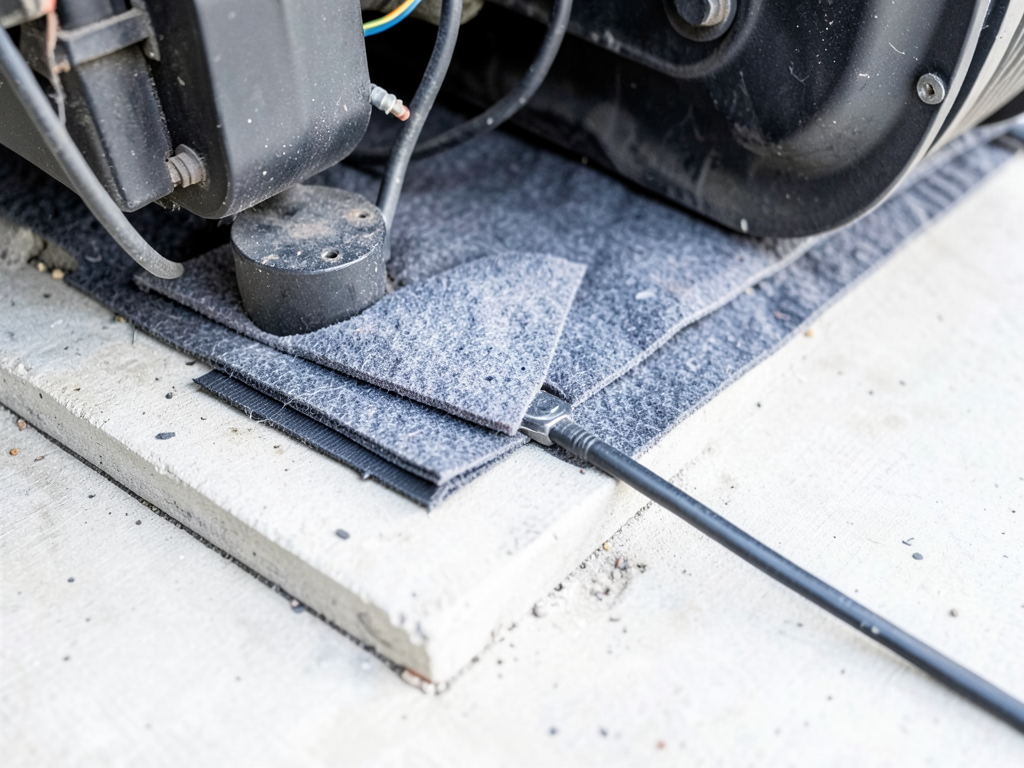
Vibration isolation stands as the most important factor. When compressors operate, they create vibrations that travel through concrete pads and into your home’s structure. Without proper isolation, these vibrations amplify into noticeable noise.
Sound blankets provide another layer of noise reduction. These specialized acoustic barriers wrap around the compressor, absorbing sound waves before they escape the unit. Combined with vibration-dampening pads, they can reduce perceived noise by 3-5 decibels.
Proper clearance matters too. Units need adequate space for airflow without creating echo chambers. In Highland Park’s narrow lots, strategic placement becomes essential. Positioning units away from bedroom windows and outdoor living areas makes a significant difference in perceived noise levels.
Climate Considerations for Dallas-Area AC Units
Dallas’s extreme heat creates unique challenges for AC units. When temperatures soar above 100°F, compressors work harder and generate more heat. This increased workload often translates to higher noise levels as components strain to maintain cooling.
Highland Park’s tree canopy provides some natural shade, which helps reduce the thermal load on outdoor units. However, the area’s blackland clay soil presents its own challenges. As this soil expands and contracts with moisture changes, it can cause concrete pads to shift slightly, creating vibration points that weren’t present during installation.
Spring thunderstorms in Dallas bring another consideration. Hail can damage fan blades and protective grilles, causing imbalance that creates rattling noises. Units with reinforced components and hail-resistant designs maintain their quiet operation even after severe weather events.
Variable-Speed Technology: The Key to Quiet Operation
Traditional AC units operate at full blast or not at all. They’re either making a lot of noise or no noise. Variable-speed technology changes this dynamic completely.
These advanced compressors can operate at multiple speeds, often ranging from 30% to 100% capacity. During mild weather, they might run at just 40% power, producing minimal noise while maintaining perfect comfort. Only during extreme heat do they ramp up to maximum capacity.
This technology provides several noise-reduction benefits:
- Gradual startup eliminates the loud clunk of traditional units
- Lower operating speeds produce less mechanical noise
- Continuous operation prevents the loud cycling on and off
- Better humidity control reduces the need for overcooling
The result is a system that maintains consistent, whisper-quiet operation throughout the day and night.. Read more about Sizing an AC System for Your New Sunroom or Home Addition in Colleyville.
Sound-Reducing Features to Look For
When shopping for a quiet AC unit, certain features directly impact noise levels:
Scroll Compressors use fewer moving parts than traditional reciprocating compressors. This design inherently produces less vibration and noise. Many premium units now feature twin-scroll designs that further reduce operational sound.
Advanced Fan Blades incorporate aerodynamic designs that move air more efficiently. Better blade design means the fan doesn’t have to spin as fast to move the same amount of air, directly reducing noise output.
Sound-Reducing Top Grilles use specialized materials and designs to deflect sound downward rather than outward. This simple change can make a unit noticeably quieter when standing nearby.
Insulated Cabinets provide a barrier between the noisy internal components and the outside air. High-density insulation can reduce sound transmission by several decibels.
Installation Best Practices for Maximum Quiet
Professional installation makes the difference between a good system and a great one. Here’s what quality installation includes: Indoor Air Quality Solutions.
- Site Assessment
Technician evaluates the best location considering noise impact, airflow, and local building codes. They measure distances from windows, property lines, and outdoor living areas.
- Foundation Preparation
Installers create a level, stable base using vibration-dampening materials. In Highland Park’s clay soil, they may use reinforced concrete pads with isolation mounts.
- Sound Barrier Installation
Technicians add sound blankets and may install temporary barriers during testing to identify the quietest configuration.
- Electrical Connection
Proper wiring ensures clean power delivery, preventing the electrical hum that can occur with poor connections.
- Refrigerant Charging
Correct refrigerant levels prevent the hissing and gurgling sounds that indicate improper charging.
- Final Testing
Using professional decibel meters, technicians verify the unit operates within expected noise parameters.
Local Building Considerations in Highland Park
Highland Park maintains strict building standards that affect AC installations. The town requires permits for all new HVAC installations and has specific guidelines about unit placement relative to property lines.
Noise ordinances in Highland Park limit outdoor equipment sound to 70 decibels at the property line during daytime hours. This makes choosing a quiet unit essential, as even a slight breeze can carry sound farther than expected.
The area’s mature trees create both opportunities and challenges. While they provide shade that reduces cooling loads, their root systems can complicate underground refrigerant line installation. Professional installers know how to navigate these obstacles while maintaining system efficiency.
Cost Considerations for Quiet AC Units
Quieter AC units typically cost 15-30% more than standard models. This premium reflects the advanced technology and materials required for noise reduction.
However, the investment often pays for itself through several factors:
- Energy savings from variable-speed technology
- Increased home value in noise-sensitive markets
- Better sleep quality from quieter nighttime operation
- Improved neighbor relations in close-quarter settings
In Highland Park where outdoor living spaces represent significant home value, the quiet premium becomes an investment in your property’s enjoyment rather than just an expense.
Maintenance for Continued Quiet Operation
Even the best AC units can become noisy over time without proper maintenance. Regular service keeps your system operating at its designed noise levels. Who to Call for Same-Day AC Service in University Park and North Dallas.
Annual professional maintenance should include:
- Cleaning condenser coils to prevent airflow restrictions
- Checking and tightening all mounting hardware
- Inspecting fan blades for damage or imbalance
- Verifying refrigerant levels are correct
- Testing electrical connections for loose wires that cause buzzing
Homeowners can also help by keeping the area around the unit clear of debris and vegetation. A two-foot clearance on all sides allows proper airflow and prevents debris from entering the unit and causing noise.
Smart Technology for Noise Management
Modern smart thermostats offer noise-reducing features that go beyond simple temperature control. These systems can schedule your AC to run at lower speeds during outdoor entertaining hours or when you’re trying to sleep.
Some advanced systems even include noise-monitoring capabilities. They can detect when outdoor noise levels rise above a certain threshold and automatically adjust operation to minimize additional sound contribution.
Geofencing technology allows your system to prepare your home for your arrival without running at full capacity all day. This means your home is comfortable when you get home, but the system hasn’t been creating unnecessary noise during the hours you’re away. EPA Energy Star AC certification standards.
Comparing Noise Reduction Strategies
Different approaches to noise reduction offer varying levels of effectiveness:
| Strategy | Noise Reduction | Cost Impact | Best For |
|---|---|---|---|
| Premium Quiet Unit | 5-10 dB | High | New installations |
| Sound Blankets | 3-5 dB | Medium | Existing units |
| Vibration Pads | 2-4 dB | Low | All installations |
| Strategic Placement | Variable | None | All situations |
| Smart Scheduling | Variable | Medium | Noise-sensitive times |
The most effective approach often combines multiple strategies. A premium quiet unit with proper installation, vibration isolation, and smart scheduling provides the best overall noise reduction.
Future Trends in Quiet AC Technology
The pursuit of quieter AC units continues to drive innovation. Several emerging technologies promise even quieter operation in coming years:
Magnetic bearing compressors eliminate most mechanical noise by using magnetic fields to suspend the compressor shaft. This technology, already used in some industrial applications, could bring dramatic noise reductions to residential units.
Advanced materials like aerogels and ceramic composites offer superior sound insulation while being lighter than traditional materials. These could enable thinner, more effective sound barriers around compressors.
AI-driven optimization systems learn your home’s unique acoustic characteristics and adjust operation to minimize noise impact. They might slow the compressor slightly during outdoor gatherings or speed up operation during noisy periods to mask the sound.
Making the Right Choice for Your Home
Choosing the quietest AC unit requires balancing several factors:
- Your specific outdoor living space layout
- Proximity to neighbors
- Local noise ordinances
- Your budget constraints
- Long-term energy efficiency goals
In Highland Park’s close-quarter luxury homes, the premium for quiet operation often proves worthwhile. The ability to enjoy your outdoor space without AC noise interference enhances your quality of life and protects your property’s enjoyment value.
Professional assessment helps identify the optimal solution for your specific situation. A qualified technician can measure existing noise levels, evaluate your home’s layout, and recommend the best combination of equipment and installation techniques.
Frequently Asked Questions
How much quieter are premium AC units compared to standard models?
Premium quiet AC units operate at 10-15 decibels lower than standard models. Since the decibel scale is logarithmic, this represents a significant perceived noise reduction—about 50-75% quieter to the human ear.
Can I add sound reduction to my existing AC unit?
Yes, several aftermarket solutions can reduce noise from existing units. Sound blankets, vibration isolation pads, and strategic landscaping can all help. However, the reduction is typically less dramatic than replacing the entire unit with a purpose-built quiet model.
Do quieter AC units cost more to operate?
Actually, quieter units often cost less to operate. The variable-speed technology that enables quiet operation also improves efficiency by avoiding the energy-intensive full-power cycling of traditional units.
How do I know if my AC unit is too loud?
If you can hear your AC unit clearly from your outdoor living space during normal conversation, it’s likely too loud. A good test is whether you need to raise your voice to be heard over the unit’s operation.
Are there tax incentives for installing quiet, efficient AC units?
Yes, federal tax credits and local utility rebates often apply to high-efficiency units. While the quiet operation itself isn’t specifically incentivized, the efficiency technologies that enable quiet operation frequently qualify for incentives. For more information, visit Energy.gov guide to central air conditioning.

{
“@context”: “https://schema.org”,
“@type”: “BlogPosting”,
“headline”: “The Quietest AC Units for Outdoor Living Spaces in Highland Park”,
“description”: “Discover the quietest AC units perfect for Highland Park’s outdoor living spaces. Compare decibel ratings, installation tips, and top models for noise-free comfort.”,
“wordCount”: 2064,
“datePublished”: “2026-04-06T09:53:00.000Z”,
“dateModified”: “2026-04-06T09:53:00.000Z”,
“inLanguage”: “en-US”,
“mainEntityOfPage”: {
“@type”: “WebPage”,
“@id”: “https://cornerstonehvacdallas.com”
},
“publisher”: {
“@type”: “LocalBusiness”,
“name”: “Cornerstone HVAC Dallas”,
“url”: “https://cornerstonehvacdallas.com”
},
“author”: {
“@type”: “Organization”,
“name”: “Cornerstone HVAC Dallas”,
“url”: “https://cornerstonehvacdallas.com”
},
“image”: {
“@type”: “ImageObject”,
“url”: “https://cornerstonehvacdallas.com/wp-content/uploads/2026/03/the-quietest-ac-units-for-outdoor-living-spaces-in-1.png”
}
}
{
“@context”: “https://schema.org”,
“@type”: “HVACBusiness”,
“name”: “Cornerstone HVAC Dallas”,
“url”: “https://cornerstonehvacdallas.com”,
“address”: {
“@type”: “PostalAddress”,
“addressLocality”: “Dallas”
},
“areaServed”: {
“@type”: “City”,
“name”: “Dallas”
}
}
{
“@context”: “https://schema.org”,
“@type”: “FAQPage”,
“mainEntity”: [
{
“@type”: “Question”,
“name”: “How much quieter are premium AC units compared to standard models?”,
“acceptedAnswer”: {
“@type”: “Answer”,
“text”: “Premium quiet AC units operate at 10-15 decibels lower than standard models. Since the decibel scale is logarithmic, this represents a significant perceived noise reduction—about 50-75% quieter to the human ear.”
}
},
{
“@type”: “Question”,
“name”: “Can I add sound reduction to my existing AC unit?”,
“acceptedAnswer”: {
“@type”: “Answer”,
“text”: “Yes, several aftermarket solutions can reduce noise from existing units. Sound blankets, vibration isolation pads, and strategic landscaping can all help. However, the reduction is typically less dramatic than replacing the entire unit with a purpose-built quiet model.”
}
},
{
“@type”: “Question”,
“name”: “Do quieter AC units cost more to operate?”,
“acceptedAnswer”: {
“@type”: “Answer”,
“text”: “Actually, quieter units often cost less to operate. The variable-speed technology that enables quiet operation also improves efficiency by avoiding the energy-intensive full-power cycling of traditional units.”
}
},
{
“@type”: “Question”,
“name”: “How do I know if my AC unit is too loud?”,
“acceptedAnswer”: {
“@type”: “Answer”,
“text”: “If you can hear your AC unit clearly from your outdoor living space during normal conversation, it’s likely too loud. A good test is whether you need to raise your voice to be heard over the unit’s operation.”
}
},
{
“@type”: “Question”,
“name”: “Are there tax incentives for installing quiet, efficient AC units?”,
“acceptedAnswer”: {
“@type”: “Answer”,
“text”: “Yes, federal tax credits and local utility rebates often apply to high-efficiency units. While the quiet operation itself isn’t specifically incentivized, the efficiency technologies that enable quiet operation frequently qualify for incentives. For more information, visit Energy.gov guide to central air conditioning.”
}
}
]
}
{
“@context”: “https://schema.org”,
“@type”: “HowTo”,
“name”: “Quiet AC Installation Steps”,
“step”: [
{
“@type”: “HowToStep”,
“position”: 1,
“name”: “Site Assessment”,
“text”: “Technician evaluates the best location considering noise impact, airflow, and local building codes. They measure distances from windows, property lines, and outdoor living areas.”
},
{
“@type”: “HowToStep”,
“position”: 2,
“name”: “Foundation Preparation”,
“text”: “Installers create a level, stable base using vibration-dampening materials. In Highland Park’s clay soil, they may use reinforced concrete pads with isolation mounts.”
},
{
“@type”: “HowToStep”,
“position”: 3,
“name”: “Sound Barrier Installation”,
“text”: “Technicians add sound blankets and may install temporary barriers during testing to identify the quietest configuration.”
},
{
“@type”: “HowToStep”,
“position”: 4,
“name”: “Electrical Connection”,
“text”: “Proper wiring ensures clean power delivery, preventing the electrical hum that can occur with poor connections.”
},
{
“@type”: “HowToStep”,
“position”: 5,
“name”: “Refrigerant Charging”,
“text”: “Correct refrigerant levels prevent the hissing and gurgling sounds that indicate improper charging.”
},
{
“@type”: “HowToStep”,
“position”: 6,
“name”: “Final Testing”,
“text”: “Using professional decibel meters, technicians verify the unit operates within expected noise parameters.”
}
],
“image”: “https://cornerstonehvacdallas.com/wp-content/uploads/2026/03/the-quietest-ac-units-for-outdoor-living-spaces-in-1.png”
}
{
“@context”: “https://schema.org”,
“@type”: “BreadcrumbList”,
“itemListElement”: [
{
“@type”: “ListItem”,
“position”: 1,
“name”: “Home”,
“item”: “https://cornerstonehvacdallas.com”
},
{
“@type”: “ListItem”,
“position”: 2,
“name”: “Blog”,
“item”: “https://cornerstonehvacdallas.com/blog”
},
{
“@type”: “ListItem”,
“position”: 3,
“name”: “The Quietest AC Units for Outdoor Living Spaces in Highland Park”
}
]
}
{
“@context”: “https://schema.org”,
“@type”: “Service”,
“serviceType”: “HVAC”,
“provider”: {
“@type”: “LocalBusiness”,
“name”: “Cornerstone HVAC Dallas”,
“url”: “https://cornerstonehvacdallas.com”
},
“areaServed”: {
“@type”: “City”,
“name”: “Dallas”
},
“description”: “Discover the quietest AC units perfect for Highland Park’s outdoor living spaces. Compare decibel ratings, installation tips, and top models for noise-free comfort.”
}