
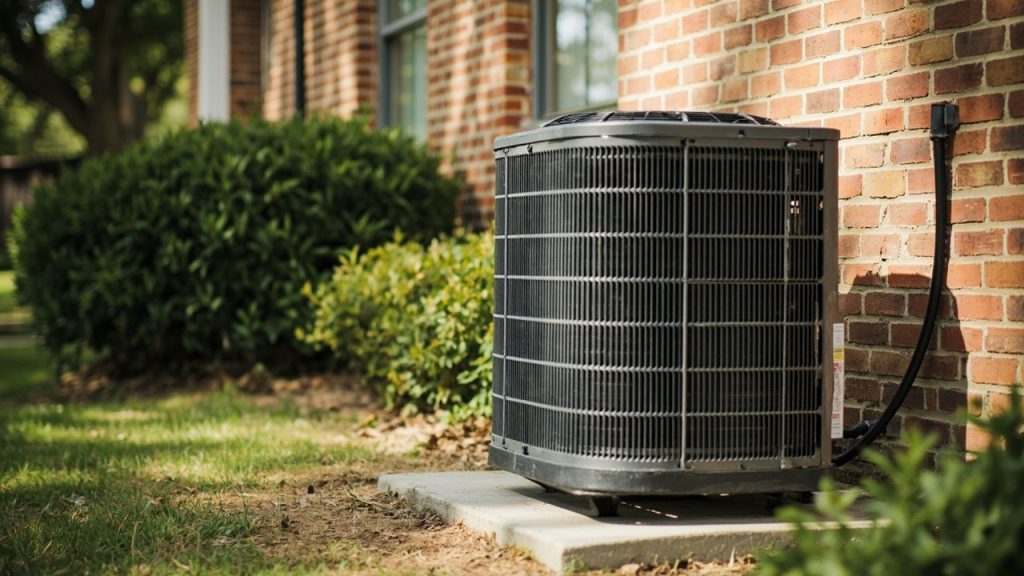
The Best High Efficiency AC Units for Homes in University Park
BOFU Investment Summary for University Park Homeowners
University Park residents upgrading to high-efficiency cooling systems recover their investment in three to five years through lower electric bills. A central AC system with SEER2 16 to 18 costs between 5,500 and 7,500 dollars in equipment and labor. Annual savings range from 700 to 1,200 dollars compared to older units. An air-source heat pump delivering both cooling and heating costs 6,500 to 9,500 dollars with annual savings of 1,000 to 1,800 dollars.
Federal tax credits up to 2,000 dollars apply to qualifying systems installed in 2026. ONCOR Electric Delivery rebates range from 200 to 500 dollars depending on SEER2 rating. These credits and rebates reduce your effective cost by 2,200 to 2,500 dollars, bringing many high-efficiency systems into the same price range as standard units.
Payback timeline for a SEER2 18 central AC system runs 3.5 to 4.5 years after rebates and tax credits. A heat pump system with both cooling and heating pays back in 3 to 4 years because it replaces furnace and air conditioning with one efficient unit.
| System Type | Equipment Cost Range | Annual Savings vs Old Unit | Payback Period | After Credits and Rebates |
|---|---|---|---|---|
| Central AC High Efficiency SEER2 16-18 | 5500-7500 | 700-1200 | 4-5 years | 3-4 years |
| Air Source Heat Pump SEER2 18-22 | 6500-9500 | 1000-1800 | 3-4 years | 2.5-3.5 years |
| Ductless Mini-Split per zone SEER2 20-24 | 4000-6500 | 300-600 | 4-6 years | 3-5 years |
University Park Cooling Challenge and Climate Reality
University Park homeowners face specific climate demands that differ from surrounding Dallas neighborhoods. Summer temperatures regularly exceed 100 degrees. Your air conditioning system runs hard for five to six months every year. This extended cooling season makes energy efficiency directly visible on your electric bill.
University Park sits on the Dallas prairie in one of Texas’s most affluent residential areas where both aesthetics and operating costs matter. Mid-century estates built between 1950 and 1980 dominate the neighborhood. These homes have solid construction but aging mechanical systems that often operate below modern efficiency standards.
A high-efficiency cooling system cuts your electric bill by 20 to 40 percent compared to older units. The savings occur only when you select equipment matched to your home’s actual cooling needs and install it correctly according to University Park building codes.
Understanding SEER2 Ratings for University Park Homes
SEER2 is the modern efficiency standard that replaced SEER in 2023. It measures how many BTUs of cooling you get for every watt of electricity your system uses. Higher SEER2 means lower energy bills.
The Department of Energy changed testing conditions when introducing SEER2. A SEER2 14 unit today performs differently than an old SEER 14 unit. In University Park’s extreme heat where outdoor temperatures push 105 to 110 degrees regularly, a high-SEER2 system delivers real value.
Current efficiency tiers break down as follows. Standard systems start at SEER2 13 to 15. Mid-range high-efficiency units sit at SEER2 16 to 18. Premium systems reach SEER2 20 and above. Your choice depends on your home’s age, insulation quality, ductwork condition, and your budget.
University Park homes typically date from the 1950s through 1980s. These mid-century residences have good structural bones, but ductwork may not be optimized for modern high-efficiency equipment. A Manual J load calculation determines your actual cooling capacity needs, which serves as the foundation for selecting the correct SEER2 rating.
University Park Building Code and Permitting Requirements
University Park enforces its own municipal codes that differ from broader Dallas city requirements. Your outdoor condenser unit placement, ductwork modifications, and electrical connections all require approval from the University Park Building Inspection Department before work begins.
The permitting timeline runs five to seven business days once you submit your application. You need engineering drawings if you are modifying ductwork or relocating equipment. This requirement is not optional. The city enforces these rules because foundation conditions matter here.
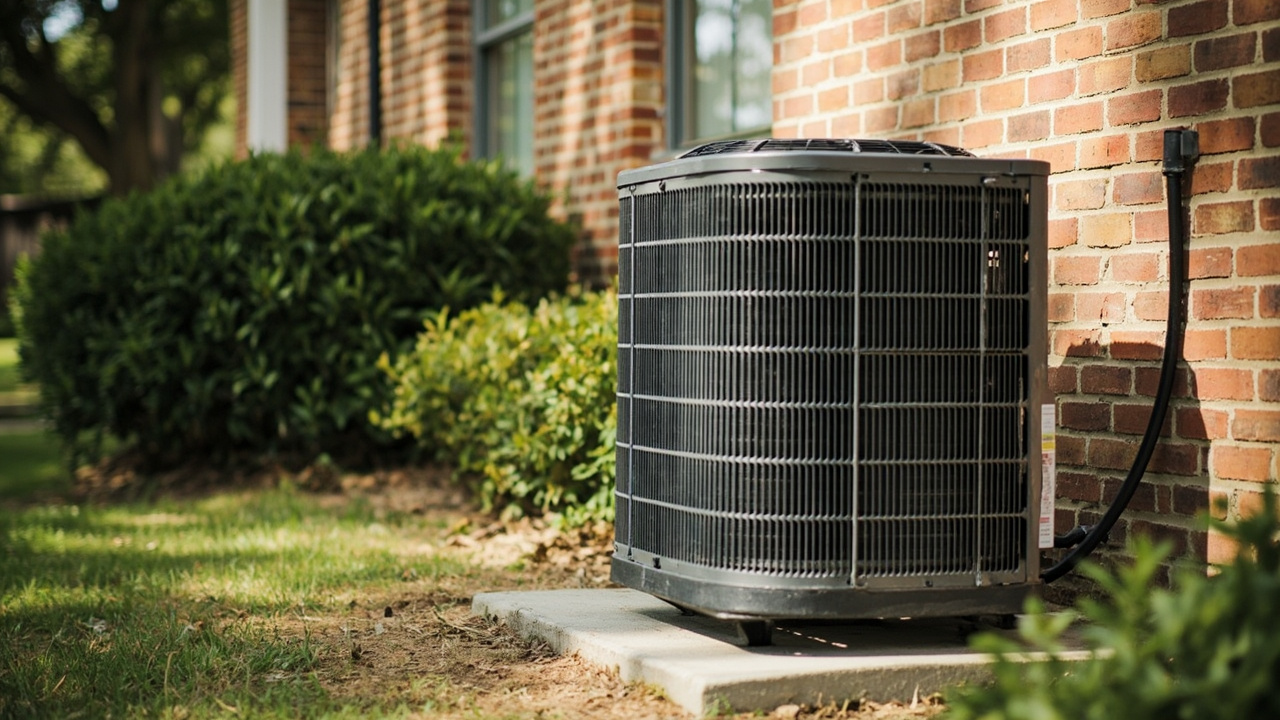
University Park sits on Blackland Prairie clay soil, which expands and contracts with moisture changes. Your outdoor unit must be level to operate efficiently. Shifting foundations sometimes require equipment relocation or special pads. Contact the University Park Building Department at their municipal office to verify current requirements for your specific project. Their inspection staff reviews all HVAC installations in the city.
The International Energy Conservation Code compliance is mandatory. Your new system must meet current efficiency standards. All refrigerant lines must be properly sized and insulated. The University Park inspector verifies that outdoor units sit at least three feet from property lines, remain accessible for maintenance, and do not obstruct views from neighboring homes where possible.
Skipping this step exposes you to fines and complicates future home sales. All permitted work protects your property investment.
HVAC System Types for University Park Residences
Your home’s age and design dictate which system types work best.
Central Air Conditioning for Established University Park Homes
Most University Park homes have central air systems. Your furnace or air handler sits in the attic or basement. Ductwork distributes cooled air throughout the house. Replacing a central system means upgrading the outdoor condenser unit, the indoor coil, and the blower motor.
For homes with good ductwork and sealed ducts, a new central system delivers excellent efficiency gains. Older homes with loose ducts lose 15 to 25 percent of cooled air before it reaches the rooms. Sealing ducts before upgrading equipment pays back quickly in lower utility bills.
Air Source Heat Pumps for Dual Heating and Cooling
Air source heat pumps provide cooling in summer and heating in winter. One piece of outdoor equipment handles both seasons. Many University Park homeowners add a heat pump because Dallas winters are mild. Temperatures rarely drop below 20 degrees for more than a day or two. Heat pumps deliver 100 to 150 percent efficiency in those conditions.
The downside occurs during extreme cold snaps. When temperatures drop below 10 degrees, heat pump efficiency drops and backup electric resistance heating engages. University Park experiences cold snaps a few times per year, so heat pumps make financial sense here. A modern heat pump with a SEER2 rating of 18 or higher can replace both air conditioning and heating needs for similar cost to a new AC unit alone.
Ductless Mini-Split Systems for Additions and Retrofits
Some University Park homes have additions or room layouts that do not work with central ductwork. A ductless mini-split system uses a small indoor wall unit connected to an outdoor compressor. No ductwork installation means faster setup and lower installation costs.
Mini-splits deliver SEER2 ratings as high as 24 in individual rooms. The trade-off is a visible indoor unit mounted on the wall, which some homeowners dislike. If your home has architectural restrictions or you want to add cooling to a specific room without ductwork, mini-splits work well.
Variable Speed Compressors and Humidity Control
This feature separates premium systems from standard ones. A variable-speed compressor adjusts its output based on cooling demand. In typical University Park afternoons, the compressor runs at 60 to 70 percent capacity. Single-speed compressors run at full power until the temperature reaches your setpoint, then shut off completely.
Variable-speed systems provide two advantages in University Park heat. First, they save energy because they avoid the power surge of ramping up to full speed repeatedly. Second, they run continuously at low speed during humid days, which removes moisture more effectively than single-speed units that turn on and off.
University Park humidity regularly exceeds 60 percent in summer. Your air conditioning removes humidity only if the evaporator coil gets cold enough. A variable-speed system keeps the coil cold longer, extracting more moisture. This matters if anyone in your home suffers from allergies or respiratory issues, which is common in University Park due to cedar pollen and mold growth in humid conditions.
Zoned Cooling for Multi-Story University Park Homes
Many University Park residences are two or three stories. Upstairs bedrooms often run 5 to 10 degrees warmer than downstairs living spaces because heat rises and roof exposure increases. A single thermostat cannot satisfy every room.
Zoned cooling systems use motorized dampers in the ductwork to send more cooled air to hot zones and less to cool zones. You control two or three separate zones from different thermostats. During the day, you cool the main living areas. At night, you shift cooling to bedrooms while backing off downstairs capacity.
This strategy cuts energy use by 10 to 15 percent because you do not over-cool unoccupied rooms. Installation costs more than standard systems, but zoning pairs well with high-efficiency equipment to maximize savings in larger homes.
Indoor Air Quality and Allergen Control for University Park
University Park’s location near SMU and the surrounding Park Cities means residents deal with high pollen counts and cedar fever. Your air conditioning system addresses this through integrated IAQ solutions.
A whole-house air filter upgrade to MERV 11 or higher captures 85 percent of pollen particles. Some homeowners add UV germicidal lights inside the air handler ductwork to kill mold spores and bacteria. Others install humidity control systems that prevent mold growth by keeping indoor humidity between 30 and 50 percent.
These additions cost between 500 and 1,500 dollars extra, but they make a real difference if you have asthma, allergies, or respiratory sensitivity. University Park’s year-round growing season means mold and pollen are persistent challenges. Coupling a high-efficiency AC system with proper filtration and humidity management provides relief that most allergy medications cannot match.
Energy Rebates and Tax Credits for University Park Homeowners in 2026
Several programs reduce the cost of upgrading to high-efficiency cooling. ONCOR Electric Delivery rebates are available through your local utility. Current rebates range from 200 to 500 dollars depending on the system’s SEER2 rating. You must apply before installation begins. The rebate comes directly to you after the city inspector approves the work.
Federal tax credits also apply to systems purchased and installed in 2026. You may qualify for up to 2,000 dollars in tax credits if the equipment achieves specific SEER2 and HSPF2 thresholds. A tax professional should review your specific situation, but the credits exist and can offset a significant portion of equipment cost.
Local financing programs allow you to spread payments over three to ten years with fixed interest rates. Many high-income University Park homeowners finance not because they cannot pay cash, but because interest rates are low and the rebates make the effective cost attractive.
Installation Process for High-Efficiency Systems in University Park
- Schedule a Manual J Load Calculation
A technician measures your home’s square footage, window orientation, insulation values, and sun exposure. This determines the exact cooling capacity you need. Oversizing wastes money. Undersizing leaves you uncomfortable. Every estimate includes a Manual J calculation.
- Submit Permit Application to University Park Building Department
All permitting paperwork gets handled for you. You provide proof of ownership or authorization to modify the property. The city reviews plans and issues a permit number within five to seven business days. Do not let anyone start work before the permit is approved. Contact the University Park Building Department office to track your permit status.
- Inspect and Seal Existing Ductwork
Before installing new equipment, a technician pressure tests your ducts and seals leaks with mastic or duct tape. Leaking ducts reduce efficiency by 15 to 25 percent. Sealing costs 300 to 800 dollars and pays for itself in three to four years of lower utility bills.
- Remove Old Equipment and Prepare Outdoor Unit Location
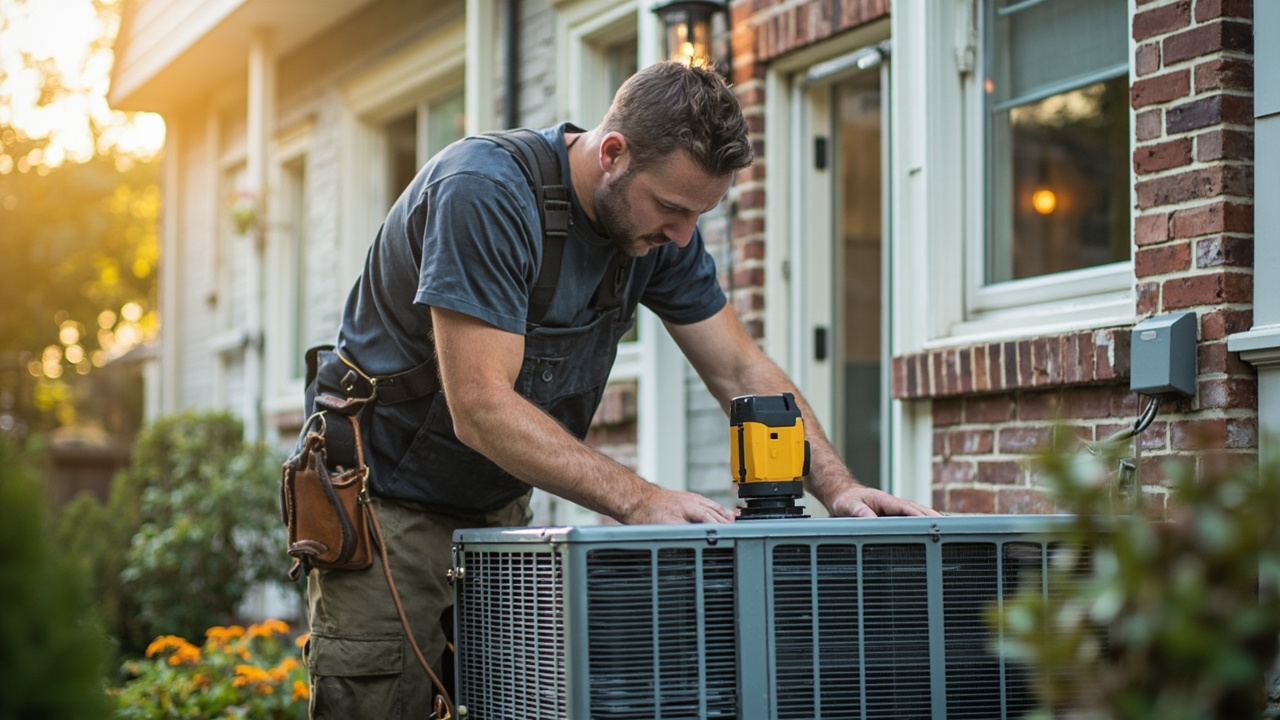
The old condenser comes out. The pad is cleaned and leveled using laser levels to account for foundation settling common in University Park’s clay soil. A new concrete pad or vibration isolation mounts the new unit.
- Install New Condenser and Indoor Coil
Refrigerant lines run from the outdoor unit to the indoor coil, properly insulated and sealed. Electrical connections are completed to code. All work is performed by NATE-certified technicians who carry NATE certification and Texas ACR licenses from the state licensing board.
- Pressure Test and Evacuate the System
Nitrogen pressure testing reveals any leaks. Evacuation removes air and moisture from the refrigerant lines. A proper evacuation takes two to four hours. Rushing this step ruins the compressor.
- Charge Refrigerant and Verify Performance
Refrigerant gets weighed and added to specification. The technician checks superheat, subcooling, and system pressures to confirm the system operates at peak efficiency.
- Schedule University Park Building Inspection
The city inspector verifies ductwork sealing, condenser placement, electrical work, and refrigerant lines. Once approved, you receive your certificate of occupancy. This final step is mandatory before you operate the system.
Timeline and Costs for University Park AC Installation
The entire project from consultation to final city inspection takes 10 to 14 calendar days. If you need the work done faster, rush permitting and expedited scheduling are possible, though both carry extra costs.
Equipment costs vary significantly based on SEER2 rating and system type. Typical University Park installations break down as follows.
| System Type | SEER2 Range | Equipment Cost Range | Installation Timeline | Typical Annual Savings vs. Old Unit |
|---|---|---|---|---|
| Central AC Standard | SEER2 13 to 15 | 3500 to 5500 | 2 to 3 days | 400 to 700 |
| Central AC High Efficiency | SEER2 16 to 18 | 5500 to 7500 | 2 to 4 days | 700 to 1200 |
| Air Source Heat Pump | SEER2 18 to 22 | 6500 to 9500 | 3 to 5 days | 1000 to 1800 |
| Ductless Mini-Split | SEER2 20 to 24 | 4000 to 6500 per zone | 1 to 2 days per zone | 300 to 600 per zone |
These are material and labor costs only. Ductwork sealing, permits, and IAQ upgrades add to the total. The numbers show why rebates and tax credits matter. A 1,000-dollar rebate combined with a 2,000-dollar tax credit brings a high-efficiency heat pump installation into the same range as a basic central AC unit.
University Park Foundation Settling and Condenser Re-leveling
University Park homes built between 1950 and 1980 present a unique installation challenge absent from generic Texas homes. Most of these mid-century estates sit on Blackland Prairie clay soil, which experiences foundation settling of 0.5 to 1.5 inches over 70 years. Homes on the north side of University Park near Mockingbird Lane show particularly visible settlement patterns because that portion of the neighborhood was built earliest.
This differential settling creates challenges for outdoor condenser placement that installers unfamiliar with University Park overlook. When a condenser unit settles unevenly, refrigerant circulation becomes impaired. The compressor works harder to move refrigerant against gravity, consuming 5 to 10 percent more electricity than a level unit. In extreme cases, uneven settling causes oil starvation in the compressor, leading to premature failure within three to five years instead of the typical 12 to 15 year lifespan.
Experienced installations account for this reality. Laser levels ensure condenser pads sit perfectly level. Re-leveling checks every 5 to 7 years for homes showing visible foundation movement are recommended. Signs of foundation stress include cracks in mortar, doors that stick, or windows that no longer close smoothly. Re-leveling costs 200 to 400 dollars per visit but extends your system’s life by several years. Generic HVAC installers from outside the area often miss this entirely, leading to efficiency loss and expensive repairs.
Maintenance Plans for Long-Term Efficiency
Installing a high-efficiency system is only half the equation. Maintenance keeps it running at rated efficiency.
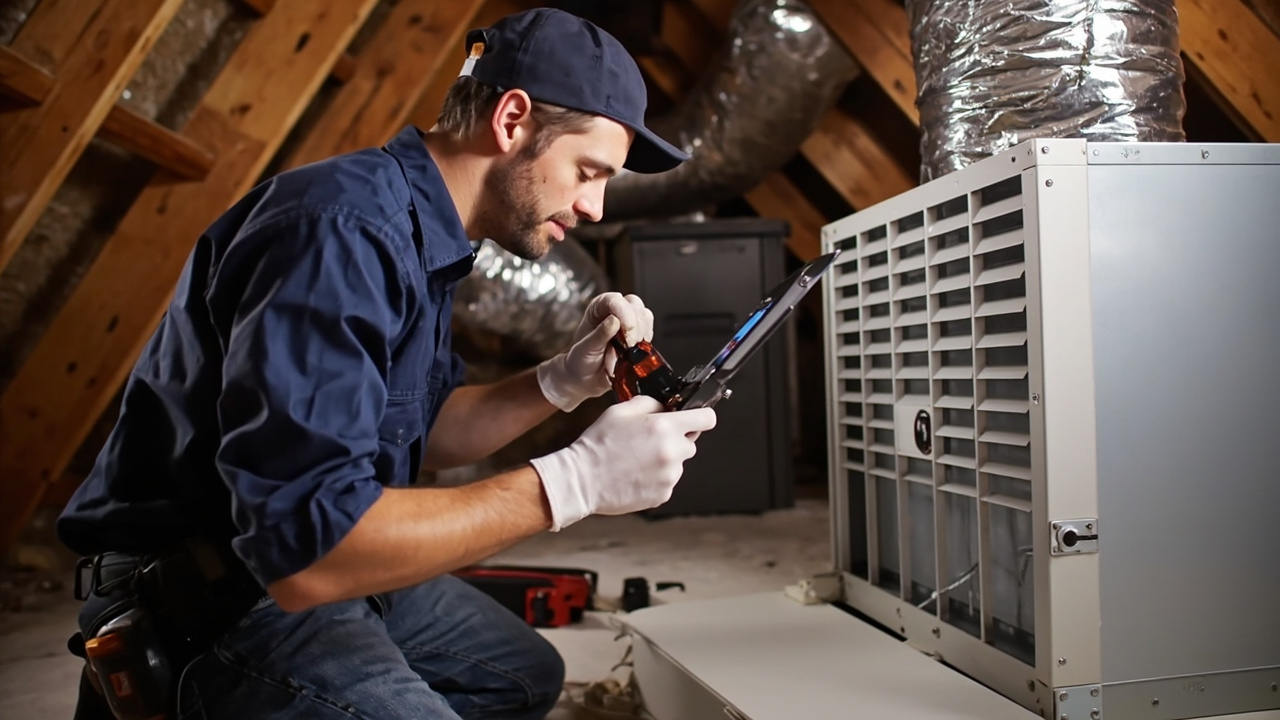
Your evaporator coil collects dust and pollen every season. When it clogs, efficiency drops 15 to 20 percent. A professional coil cleaning takes 30 minutes and costs between 150 and 300 dollars, depending on how dirty the coil is. This cleaning is recommended every two years in University Park due to high pollen.
Refrigerant levels need verification annually. A system that is low on refrigerant works harder and uses more electricity. Outdoor condenser fins collect debris, dust, and lint. A rinse with a soft brush keeps airflow clear. These small tasks prevent expensive breakdowns during peak cooling season.
Maintenance agreements bundle annual inspections, coil cleaning, filter changes, and 24/7 emergency response. These plans typically cost 200 to 400 dollars per year and save you 1,000 to 2,000 dollars in emergency repair costs when something breaks on a 105-degree July afternoon.
Installation Timing Considerations for University Park
Spring and fall are ideal times for AC installation. Overnight temperatures are mild, so if your old system fails during work, you do not immediately face a dangerous situation. Spring allows you to test the new system before peak cooling season. Fall gives you final confirmation that everything works before the seasonal drop in demand.
Avoid summer emergencies if possible. When temperatures exceed 100 degrees and your AC stops working, every contractor in the area is busy. Wait times stretch to days and labor costs spike. If you are considering an upgrade, get the process started in March or April. You avoid the rush, contractors have more availability, and your new efficient system runs for the full hot season.
Some homeowners wait until the old unit fails completely. This forces an emergency replacement with whatever equipment is available, often at a premium price. A planned upgrade lets you research options, compare SEER2 ratings, and choose the system that fits your home and budget.
Comparing High-Efficiency Systems Side by Side
Here is a practical comparison to help you decide between the most common options for University Park homes.
| Comparison Factor | Central AC High-Efficiency | Air Source Heat Pump | Ductless Mini-Split |
|---|---|---|---|
| Cooling efficiency in 100+ degree weather | Excellent | Excellent | Excellent |
| Heating in cold snaps below 10 degrees | Requires backup furnace | Becomes less efficient, backup electric heat engages | Less efficient, but adequate for short periods |
| Requires existing ductwork | Yes | Yes | No |
| Indoor unit visibility | Blower in attic or closet | Blower in attic or closet | Wall-mounted unit visible in room |
| Humidity control capability | Good with variable-speed blower | Excellent | Excellent in individual zone |
| Zoning capability | Yes with damper system | Yes with damper system | Individual units provide natural zoning |
| Installation time | 2 to 4 days | 3 to 5 days | 1 to 2 days per zone |
| Typical payback period | 4 to 5 years | 3 to 4 years | 4 to 6 years per zone |
For most University Park homes, a high-efficiency central AC system or air-source heat pump delivers the best combination of efficiency, comfort, and cost. Mini-splits work well for specific rooms or additions. Your individual situation determines the best choice.
Common Installation Mistakes in University Park Homes
After 15 years installing systems throughout University Park and the surrounding Park Cities area, several patterns emerge when homeowners cut corners.
Skipping ductwork inspection leads to poor efficiency. If ducts are leaking, a new high-SEER2 system performs no better than an older system because cooled air escapes before reaching your rooms. Always include ductwork evaluation in your estimate.
Undersizing the condenser to save money creates a system that runs constantly in peak heat. It never reaches your setpoint, uses more electricity than a properly sized unit, and fails prematurely from overwork. A Manual J calculation is not optional.
Allowing unlicensed technicians to perform the work saves money upfront but creates liability. Your home warranty may not cover work performed by uncertified installers. University Park building inspectors will not sign off on systems installed without a licensed contractor. Always verify that your technician holds a Texas ACR license and NATE certification.
Ignoring the permitting process is tempting because it adds time and paperwork. But it creates problems when you sell your home. Buyers now require disclosure of unpermitted work, and lenders may refuse to finance homes with code violations. The few hundred dollars saved on permits costs thousands in remediation and lost home value.
Getting Your Free Consultation and Installation Estimate
Our process for University Park homeowners is straightforward. You call or request a consultation online. A technician visits your home, performs a Manual J load calculation, inspects your ductwork, and answers every question. You receive a detailed written estimate that lists equipment specifications, efficiency ratings, installation timeline, and warranty information.
All permitting paperwork gets handled, and coordination occurs with the University Park Building Inspection Department. NATE-certified technicians perform the installation to specification. Once the city inspector approves the work, you have a new efficient system backed by service guarantee and warranty.
Do not let another summer pass with an inefficient air conditioning system driving up your electric bill. University Park homeowners deserve reliable cooling equipment that fits their homes and their budgets.
Contact us today to schedule your free consultation. Call or visit the website to request an estimate. We will calculate your actual cooling needs, explain your options in plain language, and help you choose a system that delivers comfort and savings for years to come. The consultation is free, and there is no pressure to decide on the spot. You will have all the information you need to make the right choice for your University Park home.
Frequently Asked Questions
What SEER2 rating should I choose for my University Park home?
For most University Park residences, a SEER2 rating of 16 to 18 balances efficiency with cost. If you plan to stay in your home for 10 or more years and want maximum energy savings, SEER2 20 and above make sense. A Manual J calculation and ductwork assessment determine whether a higher SEER2 delivers real savings or excess capacity you do not need.
Will a heat pump handle heating during Dallas winters?
Yes. University Park winters are mild, and heat pumps provide efficient heating until temperatures drop below 20 degrees. On those rare very cold nights, a backup electric heating element engages automatically. The combination delivers comfort and efficiency for our climate. Most University Park homeowners find a heat pump covers both cooling and heating needs without requiring a separate furnace.
How long does University Park permitting take?
Standard permitting takes five to seven business days. The city reviews your application, issues a permit, and schedules an inspection after work is complete. All paperwork gets handled and coordination occurs with the city inspector. The entire timeline from initial consultation to final approval typically runs 10 to 14 calendar days.
Can I install a high-efficiency system if my home has old ductwork?
Yes, but you should inspect and seal your ducts first. Leaking ductwork reduces efficiency regardless of how efficient your equipment is. A professional ductwork evaluation identifies problems. Sealing costs 300 to 800 dollars and pays for itself in three to four years through lower energy bills.
What is the difference between SEER and SEER2?
SEER was the efficiency standard until 2023. SEER2 replaced it with updated testing conditions that more closely match real-world University Park heat. A SEER2 14 unit today provides similar real-world performance to an old SEER 16 unit. Do not compare old SEER ratings to new SEER2 ratings directly. Use SEER2 only when choosing new systems.
Do I qualify for federal tax credits or rebates?
Most homeowners qualify for ONCOR rebates ranging from 200 to 500 dollars depending on system SEER2 rating. Federal tax credits up to 2,000 dollars apply to qualifying systems installed in 2026. A tax professional should review your specific situation to confirm eligibility. These credits significantly reduce your out-of-pocket cost.
{
“@context”: “https://schema.org”,
“@type”: “BlogPosting”,
“headline”: “The Best High Efficiency AC Units for Homes in University Park”,
“description”: “University Park AC units with SEER2 16-22 ratings save 20-40% on cooling costs. Permitting, costs, and foundation-specific installation details.”,
“wordCount”: 3832,
“datePublished”: “2026-03-17T10:01:00.000Z”,
“dateModified”: “2026-03-17T10:01:00.000Z”,
“inLanguage”: “en-US”,
“mainEntityOfPage”: {
“@type”: “WebPage”,
“@id”: “https://cornerstonehvacdallas.com”
},
“publisher”: {
“@type”: “LocalBusiness”,
“name”: “Cornerstone HVAC Dallas”,
“url”: “https://cornerstonehvacdallas.com”
},
“author”: {
“@type”: “Organization”,
“name”: “Cornerstone HVAC Dallas”,
“url”: “https://cornerstonehvacdallas.com”
},
“image”: {
“@type”: “ImageObject”,
“url”: “https://cornerstonehvacdallas.com/wp-content/uploads/2026/03/the-best-high-efficiency-ac-units-for-homes-in-uni-1.jpg”
}
}
{
“@context”: “https://schema.org”,
“@type”: “HVACBusiness”,
“name”: “Cornerstone HVAC Dallas”,
“url”: “https://cornerstonehvacdallas.com”,
“address”: {
“@type”: “PostalAddress”,
“addressLocality”: “Dallas”
},
“areaServed”: {
“@type”: “City”,
“name”: “Dallas”
}
}
{
“@context”: “https://schema.org”,
“@type”: “FAQPage”,
“mainEntity”: [
{
“@type”: “Question”,
“name”: “What SEER2 rating should I choose for my University Park home?”,
“acceptedAnswer”: {
“@type”: “Answer”,
“text”: “For most University Park residences, a SEER2 rating of 16 to 18 balances efficiency with cost. If you plan to stay in your home for 10 or more years and want maximum energy savings, SEER2 20 and above make sense. A Manual J calculation and ductwork assessment determine whether a higher SEER2 delivers real savings or excess capacity you do not need.”
}
},
{
“@type”: “Question”,
“name”: “Will a heat pump handle heating during Dallas winters?”,
“acceptedAnswer”: {
“@type”: “Answer”,
“text”: “Yes. University Park winters are mild, and heat pumps provide efficient heating until temperatures drop below 20 degrees. On those rare very cold nights, a backup electric heating element engages automatically. The combination delivers comfort and efficiency for our climate. Most University Park homeowners find a heat pump covers both cooling and heating needs without requiring a separate furnace.”
}
},
{
“@type”: “Question”,
“name”: “How long does University Park permitting take?”,
“acceptedAnswer”: {
“@type”: “Answer”,
“text”: “Standard permitting takes five to seven business days. The city reviews your application, issues a permit, and schedules an inspection after work is complete. All paperwork gets handled and coordination occurs with the city inspector. The entire timeline from initial consultation to final approval typically runs 10 to 14 calendar days.”
}
},
{
“@type”: “Question”,
“name”: “Can I install a high-efficiency system if my home has old ductwork?”,
“acceptedAnswer”: {
“@type”: “Answer”,
“text”: “Yes, but you should inspect and seal your ducts first. Leaking ductwork reduces efficiency regardless of how efficient your equipment is. A professional ductwork evaluation identifies problems. Sealing costs 300 to 800 dollars and pays for itself in three to four years through lower energy bills.”
}
},
{
“@type”: “Question”,
“name”: “What is the difference between SEER and SEER2?”,
“acceptedAnswer”: {
“@type”: “Answer”,
“text”: “SEER was the efficiency standard until 2023. SEER2 replaced it with updated testing conditions that more closely match real-world University Park heat. A SEER2 14 unit today provides similar real-world performance to an old SEER 16 unit. Do not compare old SEER ratings to new SEER2 ratings directly. Use SEER2 only when choosing new systems.”
}
},
{
“@type”: “Question”,
“name”: “Do I qualify for federal tax credits or rebates?”,
“acceptedAnswer”: {
“@type”: “Answer”,
“text”: “Most homeowners qualify for ONCOR rebates ranging from 200 to 500 dollars depending on system SEER2 rating. Federal tax credits up to 2,000 dollars apply to qualifying systems installed in 2026. A tax professional should review your specific situation to confirm eligibility. These credits significantly reduce your out-of-pocket cost.”
}
}
]
}
{
“@context”: “https://schema.org”,
“@type”: “HowTo”,
“name”: “How to install a high-efficiency AC system in University Park”,
“step”: [
{
“@type”: “HowToStep”,
“position”: 1,
“name”: “Schedule a Manual J Load Calculation”,
“text”: “A technician measures your home’s square footage, window orientation, insulation values, and sun exposure. This determines the exact cooling capacity you need. Oversizing wastes money. Undersizing leaves you uncomfortable. Every estimate includes a Manual J calculation.”
},
{
“@type”: “HowToStep”,
“position”: 2,
“name”: “Submit Permit Application to University Park Building Department”,
“text”: “All permitting paperwork gets handled for you. You provide proof of ownership or authorization to modify the property. The city reviews plans and issues a permit number within five to seven business days. Do not let anyone start work before the permit is approved. Contact the University Park Building Department office to track your permit status.”
},
{
“@type”: “HowToStep”,
“position”: 3,
“name”: “Inspect and Seal Existing Ductwork”,
“text”: “Before installing new equipment, a technician pressure tests your ducts and seals leaks with mastic or duct tape. Leaking ducts reduce efficiency by 15 to 25 percent. Sealing costs 300 to 800 dollars and pays for itself in three to four years of lower utility bills.”
},
{
“@type”: “HowToStep”,
“position”: 4,
“name”: “Remove Old Equipment and Prepare Outdoor Unit Location”,
“text”: “The old condenser comes out. The pad is cleaned and leveled using laser levels to account for foundation settling common in University Park’s clay soil. A new concrete pad or vibration isolation mounts the new unit.”
},
{
“@type”: “HowToStep”,
“position”: 5,
“name”: “Install New Condenser and Indoor Coil”,
“text”: “Refrigerant lines run from the outdoor unit to the indoor coil, properly insulated and sealed. Electrical connections are completed to code. All work is performed by NATE-certified technicians who carry NATE certification and Texas ACR licenses from the state licensing board.”
},
{
“@type”: “HowToStep”,
“position”: 6,
“name”: “Pressure Test and Evacuate the System”,
“text”: “Nitrogen pressure testing reveals any leaks. Evacuation removes air and moisture from the refrigerant lines. A proper evacuation takes two to four hours. Rushing this step ruins the compressor.”
},
{
“@type”: “HowToStep”,
“position”: 7,
“name”: “Charge Refrigerant and Verify Performance”,
“text”: “Refrigerant gets weighed and added to specification. The technician checks superheat, subcooling, and system pressures to confirm the system operates at peak efficiency.”
},
{
“@type”: “HowToStep”,
“position”: 8,
“name”: “Schedule University Park Building Inspection”,
“text”: “The city inspector verifies ductwork sealing, condenser placement, electrical work, and refrigerant lines. Once approved, you receive your certificate of occupancy. This final step is mandatory before you operate the system.”
}
],
“image”: “https://cornerstonehvacdallas.com/wp-content/uploads/2026/03/the-best-high-efficiency-ac-units-for-homes-in-uni-1.jpg”
}
{
“@context”: “https://schema.org”,
“@type”: “BreadcrumbList”,
“itemListElement”: [
{
“@type”: “ListItem”,
“position”: 1,
“name”: “Home”,
“item”: “https://cornerstonehvacdallas.com”
},
{
“@type”: “ListItem”,
“position”: 2,
“name”: “Blog”,
“item”: “https://cornerstonehvacdallas.com/blog”
},
{
“@type”: “ListItem”,
“position”: 3,
“name”: “The Best High Efficiency AC Units for Homes in University Park”
}
]
}
{
“@context”: “https://schema.org”,
“@type”: “Service”,
“serviceType”: “HVAC”,
“provider”: {
“@type”: “LocalBusiness”,
“name”: “Cornerstone HVAC Dallas”,
“url”: “https://cornerstonehvacdallas.com”
},
“areaServed”: {
“@type”: “City”,
“name”: “Dallas”
},
“description”: “University Park AC units with SEER2 16-22 ratings save 20-40% on cooling costs. Permitting, costs, and foundation-specific installation details.”
}